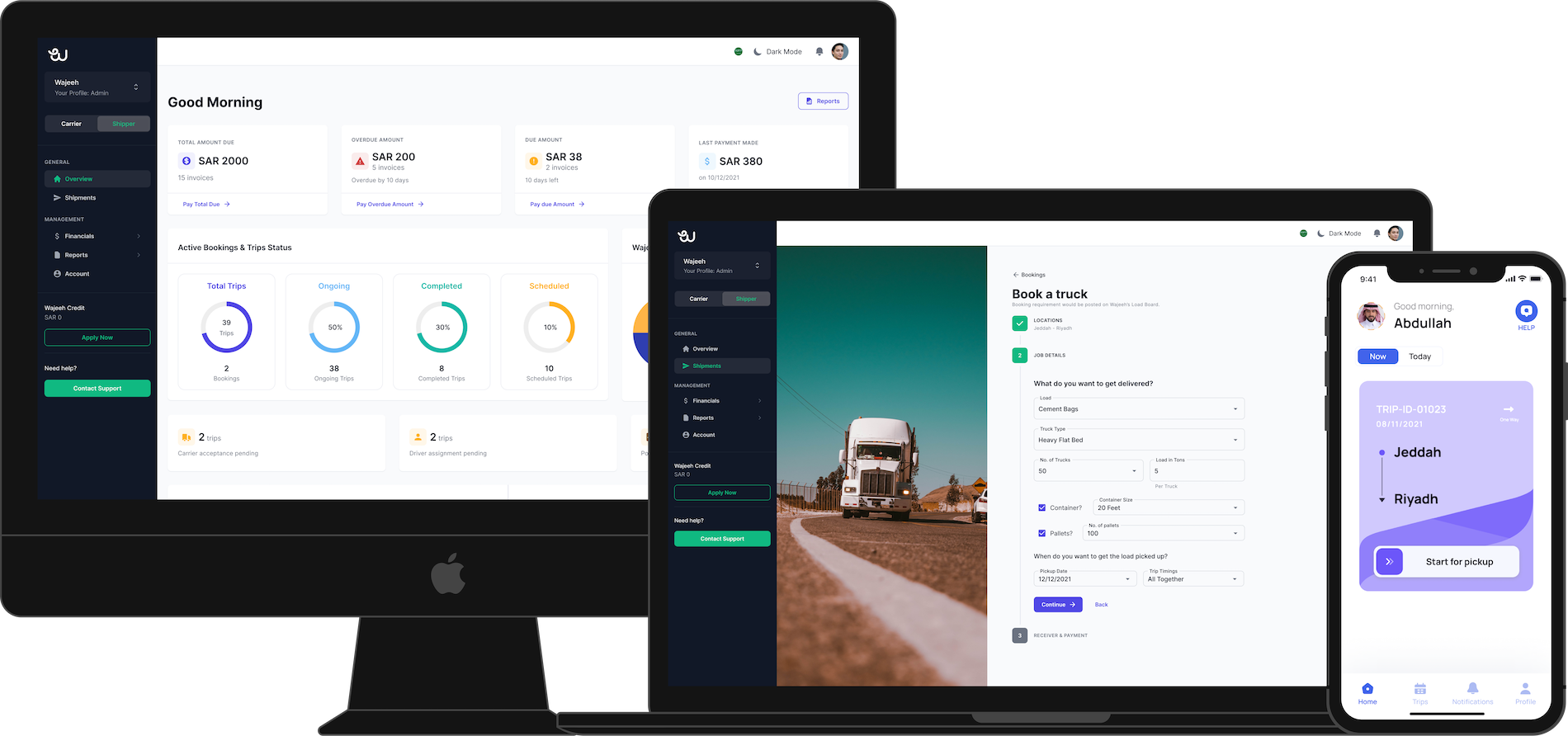
The UX Design Process That Cuts Build Waste by 30%

In today’s competitive digital landscape, building the wrong product—or even the right product in the wrong way—can be a costly mistake. Teams often rush into development with half-baked ideas, vague requirements, and untested assumptions, only to find themselves backtracking later. The result? Wasted development hours, bloated budgets, and delayed launches.

The antidote is a streamlined UX design process that systematically reduces uncertainty, validates decisions early, and eliminates unnecessary rework. By following a four-stage framework—Research → Wireframes → Prototypes → Testing—you can cut build waste by up to 30%, all while delivering an exceptional user experience.

At Tiso Studio, we specialize in designing conversion-focused, user-friendly interfaces that follow this exact process. Our team ensures your project starts with a strong foundation and reaches the finish line faster, with fewer revisions and maximum impact.

1. Research: Laying the Foundation for Success

Research is the most underestimated yet most critical part of the UX design process. Skipping it is like setting sail without a map—you might move forward, but you have no guarantee you’re heading in the right direction.

Goals of UX Research:

  • Understand who your users are and what problems they need solved.
  • Uncover pain points, motivations, and behavior patterns.
  • Validate whether your product idea has real demand before investing in design and development.

Research Methods That Work:

  • User Interviews: One-on-one conversations to understand needs at a deep emotional level.
  • Surveys & Questionnaires: Quick ways to collect feedback from a larger audience.
  • Usability Audits: Evaluating current products or competitors for improvement areas.
  • Analytics Review: Using existing data to spot friction points in user journeys.
  • Field Studies: Observing users in their real environments to see how they work and interact with similar products.

Tiso Studio Advantage: Our research phase doesn’t just collect data—it uncovers actionable insights that directly shape your product strategy, reducing the risk of wasted effort.

Wireframes: Structuring Ideas Before Pixels

Once you know what your users need, the next step is to visualize the solution’s structure—without worrying about final visuals.

Why Wireframes Save Time and Money:

  • Catch layout issues early.
  • Align stakeholders before moving to polished designs.
  • Enable fast iterations without costly rework.

Types of Wireframes:

  1. Low-Fidelity – Simple sketches for structure.
  2. Mid-Fidelity – More detail, placeholders for content.
  3. High-Fidelity – Near-final layouts ready for prototyping.

Tiso Studio Advantage: We ensure wireframes are both user-friendly and development-ready, preventing expensive surprises later.

3. Prototypes: Bringing the Experience to Life

With structure in place, prototypes add interactivity so stakeholders can experience the flow before coding starts.

Benefits of Prototyping:

  • Aligns design and development teams.
  • Speeds up stakeholder approvals.
  • Enables early usability testing.

Popular Tools:

4. Testing: Validating Before Building

Testing ensures your design works for real people before going live.

Testing Methods:

  • Usability Testing – Observing real users.
  • A/B Testing – Comparing versions for performance.
  • Accessibility Testing – Ensuring inclusivity.

Tiso Studio Advantage: We turn testing feedback into clear, prioritized action plans—so development starts with confidence.

The 30% Waste Reduction Formula

Here’s how this four-stage process works together:

  1. Research → No unnecessary features.
  2. Wireframes → Clear structure, no confusion.
  3. Prototypes → Alignment before development.
  4. Testing → Issues fixed before launch.

At Tiso Studio, we’ve applied this method to dozens of projects, helping businesses launch faster and smarter.

Leave a Reply

Your email address will not be published. Required fields are marked *