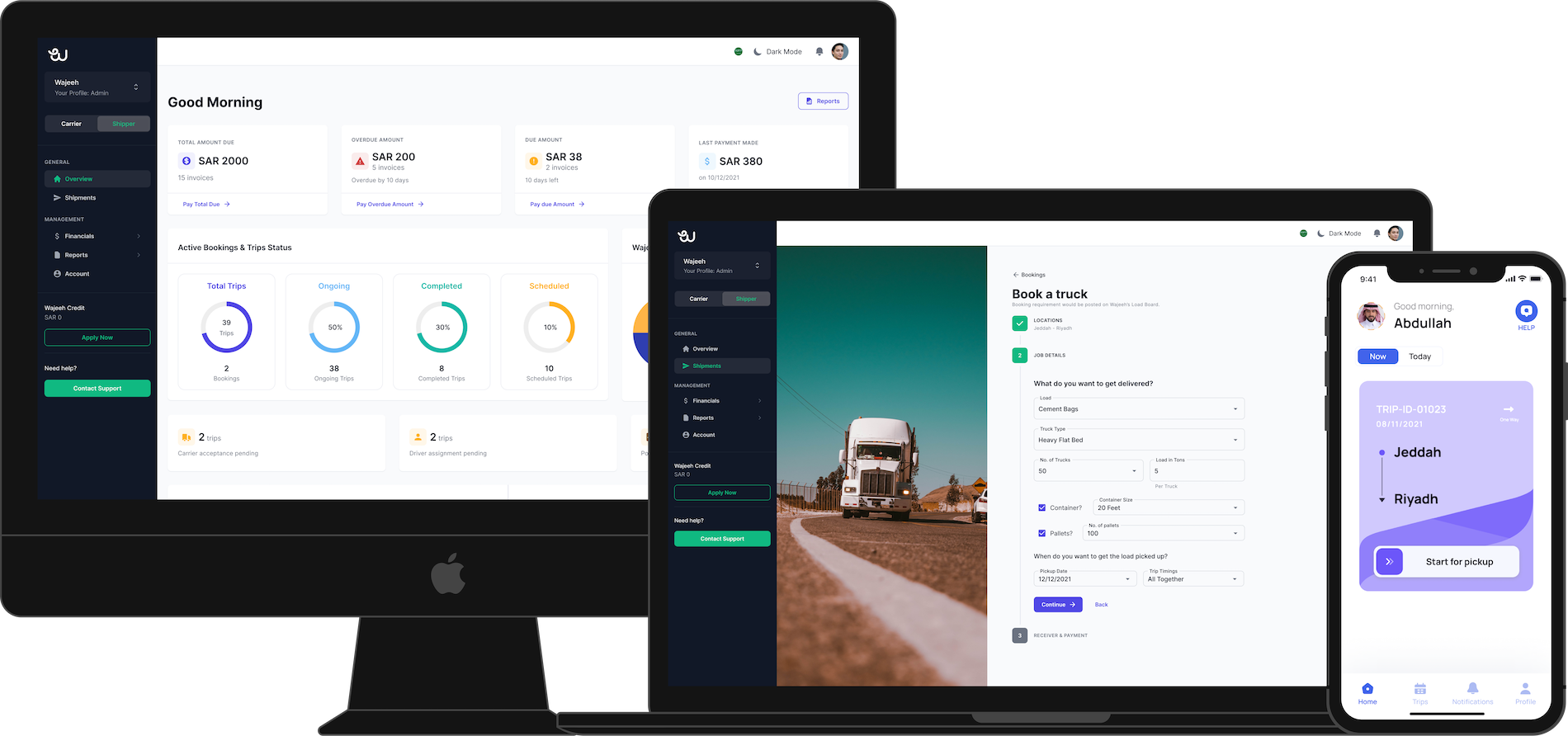
In the current competitive digital landscape, the crucial characteristic that sets apart business success from failure is based on how your users experience your application or website. Beautiful designs and powerful features may really catch users’ attention and leave them in awe, but it’s the absolute usability that brings in the conversion and builds long-lasting customer relationships. Tiso Studio, based in Hyderabad, regularly sees that when organisations engage in holistic usability testing strategies as part of their assessment approach, their performance across conversion rates, user retention, and business growth regularly surpasses their competition.
Integration with existing development and marketing processes ensures that usability insights inform design decisions, feature prioritisation, and conversion optimisation strategies throughout product lifecycles.
Continuous Improvement Cycles
Effective usability tests are not simply one-time exercises. Instead, usability testing strategies constitute an ongoing cycle of measurement, analysis, and optimisation. Moreover, usability testing strategies help uncover new usability issues when conducted regularly. In addition, they validate improvement implementations. Furthermore, these strategies keep you in step with users changing expectations and behaviours.
Ready to optimize your digital products for maximum conversion performance? Contact Tiso Studio today to learn how our comprehensive usability testing services can transform your user experience and drive measurable business growth.
Implementation Best Practice

Usability Testing Methods Integration
A successful usability testing strategy uses several methods. For instance, it can include moderated user sessions, unmoderated remote testing, A/B testing, and analytics review. By combining these approaches, you get a complete picture. Thus, this multi-method approach effectively reveals the overall quality of the user experience.
Integration with existing development and marketing processes ensures that usability insights inform design decisions, feature prioritisation, and conversion optimisation strategies throughout product lifecycles.
Continuous Improvement Cycles
Effective usability tests are not simply one-time exercises. Instead, usability testing strategies constitute an ongoing cycle of measurement, analysis, and optimisation. Moreover, usability testing strategies help uncover new usability issues when conducted regularly. In addition, they validate improvement implementations. Furthermore, these strategies keep you in step with users changing expectations and behaviours.
Ready to optimize your digital products for maximum conversion performance? Contact Tiso Studio today to learn how our comprehensive usability testing services can transform your user experience and drive measurable business growth.
These success stories highlight common patterns: systematic testing approaches, data-driven decision making, iterative improvement cycles, and organisation-wide commitment to user-centered design principles consistently produce superior results.
Implementation Best Practice

Usability Testing Methods Integration
A successful usability testing strategy uses several methods. For instance, it can include moderated user sessions, unmoderated remote testing, A/B testing, and analytics review. By combining these approaches, you get a complete picture. Thus, this multi-method approach effectively reveals the overall quality of the user experience.
Integration with existing development and marketing processes ensures that usability insights inform design decisions, feature prioritisation, and conversion optimisation strategies throughout product lifecycles.
Continuous Improvement Cycles
Effective usability tests are not simply one-time exercises. Instead, usability testing strategies constitute an ongoing cycle of measurement, analysis, and optimisation. Moreover, usability testing strategies help uncover new usability issues when conducted regularly. In addition, they validate improvement implementations. Furthermore, these strategies keep you in step with users changing expectations and behaviours.
Ready to optimize your digital products for maximum conversion performance? Contact Tiso Studio today to learn how our comprehensive usability testing services can transform your user experience and drive measurable business growth.
These success stories highlight common patterns: systematic testing approaches, data-driven decision making, iterative improvement cycles, and organisation-wide commitment to user-centered design principles consistently produce superior results.
Implementation Best Practice

Usability Testing Methods Integration
A successful usability testing strategy uses several methods. For instance, it can include moderated user sessions, unmoderated remote testing, A/B testing, and analytics review. By combining these approaches, you get a complete picture. Thus, this multi-method approach effectively reveals the overall quality of the user experience.
Integration with existing development and marketing processes ensures that usability insights inform design decisions, feature prioritisation, and conversion optimisation strategies throughout product lifecycles.
Continuous Improvement Cycles
Effective usability tests are not simply one-time exercises. Instead, usability testing strategies constitute an ongoing cycle of measurement, analysis, and optimisation. Moreover, usability testing strategies help uncover new usability issues when conducted regularly. In addition, they validate improvement implementations. Furthermore, these strategies keep you in step with users changing expectations and behaviours.
Ready to optimize your digital products for maximum conversion performance? Contact Tiso Studio today to learn how our comprehensive usability testing services can transform your user experience and drive measurable business growth.
Learning from Success: UX Case Studies
UX case studies show the impact of purposeful usability testing on business results and value. Companies that implement well-founded testing plans report increases in conversion rate of 20% to 200% depending on their baseline situation and optimisation agendas.
These success stories highlight common patterns: systematic testing approaches, data-driven decision making, iterative improvement cycles, and organisation-wide commitment to user-centered design principles consistently produce superior results.
Implementation Best Practice

Usability Testing Methods Integration
A successful usability testing strategy uses several methods. For instance, it can include moderated user sessions, unmoderated remote testing, A/B testing, and analytics review. By combining these approaches, you get a complete picture. Thus, this multi-method approach effectively reveals the overall quality of the user experience.
Integration with existing development and marketing processes ensures that usability insights inform design decisions, feature prioritisation, and conversion optimisation strategies throughout product lifecycles.
Continuous Improvement Cycles
Effective usability tests are not simply one-time exercises. Instead, usability testing strategies constitute an ongoing cycle of measurement, analysis, and optimisation. Moreover, usability testing strategies help uncover new usability issues when conducted regularly. In addition, they validate improvement implementations. Furthermore, these strategies keep you in step with users changing expectations and behaviours.
Ready to optimize your digital products for maximum conversion performance? Contact Tiso Studio today to learn how our comprehensive usability testing services can transform your user experience and drive measurable business growth.
A comprehensive usability testing checklist ensures thorough evaluation of all factors that influence user experience and conversion performance. This systematic approach includes:
- Navigation efficiency and information architecture evaluation
- Form completion and checkout process optimisation
- Mobile responsiveness and cross-device compatibility
- Loading performance and technical functionality
- Content clarity and persuasive messaging effectiveness
- Error handling and recovery process evaluation
Learning from Success: UX Case Studies
UX case studies show the impact of purposeful usability testing on business results and value. Companies that implement well-founded testing plans report increases in conversion rate of 20% to 200% depending on their baseline situation and optimisation agendas.
These success stories highlight common patterns: systematic testing approaches, data-driven decision making, iterative improvement cycles, and organisation-wide commitment to user-centered design principles consistently produce superior results.
Implementation Best Practice

Usability Testing Methods Integration
A successful usability testing strategy uses several methods. For instance, it can include moderated user sessions, unmoderated remote testing, A/B testing, and analytics review. By combining these approaches, you get a complete picture. Thus, this multi-method approach effectively reveals the overall quality of the user experience.
Integration with existing development and marketing processes ensures that usability insights inform design decisions, feature prioritisation, and conversion optimisation strategies throughout product lifecycles.
Continuous Improvement Cycles
Effective usability tests are not simply one-time exercises. Instead, usability testing strategies constitute an ongoing cycle of measurement, analysis, and optimisation. Moreover, usability testing strategies help uncover new usability issues when conducted regularly. In addition, they validate improvement implementations. Furthermore, these strategies keep you in step with users changing expectations and behaviours.
Ready to optimize your digital products for maximum conversion performance? Contact Tiso Studio today to learn how our comprehensive usability testing services can transform your user experience and drive measurable business growth.
A comprehensive usability testing checklist ensures thorough evaluation of all factors that influence user experience and conversion performance. This systematic approach includes:
- Navigation efficiency and information architecture evaluation
- Form completion and checkout process optimisation
- Mobile responsiveness and cross-device compatibility
- Loading performance and technical functionality
- Content clarity and persuasive messaging effectiveness
- Error handling and recovery process evaluation
Learning from Success: UX Case Studies
UX case studies show the impact of purposeful usability testing on business results and value. Companies that implement well-founded testing plans report increases in conversion rate of 20% to 200% depending on their baseline situation and optimisation agendas.
These success stories highlight common patterns: systematic testing approaches, data-driven decision making, iterative improvement cycles, and organisation-wide commitment to user-centered design principles consistently produce superior results.
Implementation Best Practice

Usability Testing Methods Integration
A successful usability testing strategy uses several methods. For instance, it can include moderated user sessions, unmoderated remote testing, A/B testing, and analytics review. By combining these approaches, you get a complete picture. Thus, this multi-method approach effectively reveals the overall quality of the user experience.
Integration with existing development and marketing processes ensures that usability insights inform design decisions, feature prioritisation, and conversion optimisation strategies throughout product lifecycles.
Continuous Improvement Cycles
Effective usability tests are not simply one-time exercises. Instead, usability testing strategies constitute an ongoing cycle of measurement, analysis, and optimisation. Moreover, usability testing strategies help uncover new usability issues when conducted regularly. In addition, they validate improvement implementations. Furthermore, these strategies keep you in step with users changing expectations and behaviours.
Ready to optimize your digital products for maximum conversion performance? Contact Tiso Studio today to learn how our comprehensive usability testing services can transform your user experience and drive measurable business growth.
Testing methods should assess various segments of users, sources of acquisition, and behaviours. This helps better understand how each can affect conversion likelihood. A segmented method can produce optimised strategies. These strategies personalise experiences to maximise total conversions among user segments
Systematic Testing Implementation
A comprehensive usability testing checklist ensures thorough evaluation of all factors that influence user experience and conversion performance. This systematic approach includes:
- Navigation efficiency and information architecture evaluation
- Form completion and checkout process optimisation
- Mobile responsiveness and cross-device compatibility
- Loading performance and technical functionality
- Content clarity and persuasive messaging effectiveness
- Error handling and recovery process evaluation
Learning from Success: UX Case Studies
UX case studies show the impact of purposeful usability testing on business results and value. Companies that implement well-founded testing plans report increases in conversion rate of 20% to 200% depending on their baseline situation and optimisation agendas.
These success stories highlight common patterns: systematic testing approaches, data-driven decision making, iterative improvement cycles, and organisation-wide commitment to user-centered design principles consistently produce superior results.
Implementation Best Practice

Usability Testing Methods Integration
A successful usability testing strategy uses several methods. For instance, it can include moderated user sessions, unmoderated remote testing, A/B testing, and analytics review. By combining these approaches, you get a complete picture. Thus, this multi-method approach effectively reveals the overall quality of the user experience.
Integration with existing development and marketing processes ensures that usability insights inform design decisions, feature prioritisation, and conversion optimisation strategies throughout product lifecycles.
Continuous Improvement Cycles
Effective usability tests are not simply one-time exercises. Instead, usability testing strategies constitute an ongoing cycle of measurement, analysis, and optimisation. Moreover, usability testing strategies help uncover new usability issues when conducted regularly. In addition, they validate improvement implementations. Furthermore, these strategies keep you in step with users changing expectations and behaviours.
Ready to optimize your digital products for maximum conversion performance? Contact Tiso Studio today to learn how our comprehensive usability testing services can transform your user experience and drive measurable business growth.
A robust UX testing framework establishes standardised methodologies, measurement criteria, and reporting formats that ensure consistent evaluation quality across different projects and testing cycles.
Conversion-Focused Testing Strategies
App Conversion Rate Optimisation
An app’s conversion optimisation process is an intentional and systematic experimentation of conversion funnels, onboarding processes, and key user actions. Because of this focused approach, it permits the identification of specific variables that shape users’ decision-making. Additionally, it enables the optimisation of experiences that evoke the intended behaviour. Consequently, businesses can create more effective user journeys that drive higher conversions and better engagement.
Testing methods should assess various segments of users, sources of acquisition, and behaviours. This helps better understand how each can affect conversion likelihood. A segmented method can produce optimised strategies. These strategies personalise experiences to maximise total conversions among user segments
Systematic Testing Implementation
A comprehensive usability testing checklist ensures thorough evaluation of all factors that influence user experience and conversion performance. This systematic approach includes:
- Navigation efficiency and information architecture evaluation
- Form completion and checkout process optimisation
- Mobile responsiveness and cross-device compatibility
- Loading performance and technical functionality
- Content clarity and persuasive messaging effectiveness
- Error handling and recovery process evaluation
Learning from Success: UX Case Studies
UX case studies show the impact of purposeful usability testing on business results and value. Companies that implement well-founded testing plans report increases in conversion rate of 20% to 200% depending on their baseline situation and optimisation agendas.
These success stories highlight common patterns: systematic testing approaches, data-driven decision making, iterative improvement cycles, and organisation-wide commitment to user-centered design principles consistently produce superior results.
Implementation Best Practice

Usability Testing Methods Integration
A successful usability testing strategy uses several methods. For instance, it can include moderated user sessions, unmoderated remote testing, A/B testing, and analytics review. By combining these approaches, you get a complete picture. Thus, this multi-method approach effectively reveals the overall quality of the user experience.
Integration with existing development and marketing processes ensures that usability insights inform design decisions, feature prioritisation, and conversion optimisation strategies throughout product lifecycles.
Continuous Improvement Cycles
Effective usability tests are not simply one-time exercises. Instead, usability testing strategies constitute an ongoing cycle of measurement, analysis, and optimisation. Moreover, usability testing strategies help uncover new usability issues when conducted regularly. In addition, they validate improvement implementations. Furthermore, these strategies keep you in step with users changing expectations and behaviours.
Ready to optimize your digital products for maximum conversion performance? Contact Tiso Studio today to learn how our comprehensive usability testing services can transform your user experience and drive measurable business growth.
A robust UX testing framework establishes standardised methodologies, measurement criteria, and reporting formats that ensure consistent evaluation quality across different projects and testing cycles.
Conversion-Focused Testing Strategies
App Conversion Rate Optimisation
An app’s conversion optimisation process is an intentional and systematic experimentation of conversion funnels, onboarding processes, and key user actions. Because of this focused approach, it permits the identification of specific variables that shape users’ decision-making. Additionally, it enables the optimisation of experiences that evoke the intended behaviour. Consequently, businesses can create more effective user journeys that drive higher conversions and better engagement.
Testing methods should assess various segments of users, sources of acquisition, and behaviours. This helps better understand how each can affect conversion likelihood. A segmented method can produce optimised strategies. These strategies personalise experiences to maximise total conversions among user segments
Systematic Testing Implementation
A comprehensive usability testing checklist ensures thorough evaluation of all factors that influence user experience and conversion performance. This systematic approach includes:
- Navigation efficiency and information architecture evaluation
- Form completion and checkout process optimisation
- Mobile responsiveness and cross-device compatibility
- Loading performance and technical functionality
- Content clarity and persuasive messaging effectiveness
- Error handling and recovery process evaluation
Learning from Success: UX Case Studies
UX case studies show the impact of purposeful usability testing on business results and value. Companies that implement well-founded testing plans report increases in conversion rate of 20% to 200% depending on their baseline situation and optimisation agendas.
These success stories highlight common patterns: systematic testing approaches, data-driven decision making, iterative improvement cycles, and organisation-wide commitment to user-centered design principles consistently produce superior results.
Implementation Best Practice

Usability Testing Methods Integration
A successful usability testing strategy uses several methods. For instance, it can include moderated user sessions, unmoderated remote testing, A/B testing, and analytics review. By combining these approaches, you get a complete picture. Thus, this multi-method approach effectively reveals the overall quality of the user experience.
Integration with existing development and marketing processes ensures that usability insights inform design decisions, feature prioritisation, and conversion optimisation strategies throughout product lifecycles.
Continuous Improvement Cycles
Effective usability tests are not simply one-time exercises. Instead, usability testing strategies constitute an ongoing cycle of measurement, analysis, and optimisation. Moreover, usability testing strategies help uncover new usability issues when conducted regularly. In addition, they validate improvement implementations. Furthermore, these strategies keep you in step with users changing expectations and behaviours.
Ready to optimize your digital products for maximum conversion performance? Contact Tiso Studio today to learn how our comprehensive usability testing services can transform your user experience and drive measurable business growth.
By automating usability tests, you can eliminate repetitive testing and maintain a consistent set of evaluation criteria across testing sessions. Automated tools do well to capture quantitative measures of usability such as time to complete a task, error rates, and navigational efficiency.
Metrics and Measurement Frameworks
Evaluating usability data provide tangible evaluations of user experience quality. They also show how it will influence conversion. The core testing metrics include task success rates, time-to-completion, error rates, and satisfaction ratings. These measurements support data-driven optimization decisions. They help track progress over time.
A robust UX testing framework establishes standardised methodologies, measurement criteria, and reporting formats that ensure consistent evaluation quality across different projects and testing cycles.
Conversion-Focused Testing Strategies
App Conversion Rate Optimisation
An app’s conversion optimisation process is an intentional and systematic experimentation of conversion funnels, onboarding processes, and key user actions. Because of this focused approach, it permits the identification of specific variables that shape users’ decision-making. Additionally, it enables the optimisation of experiences that evoke the intended behaviour. Consequently, businesses can create more effective user journeys that drive higher conversions and better engagement.
Testing methods should assess various segments of users, sources of acquisition, and behaviours. This helps better understand how each can affect conversion likelihood. A segmented method can produce optimised strategies. These strategies personalise experiences to maximise total conversions among user segments
Systematic Testing Implementation
A comprehensive usability testing checklist ensures thorough evaluation of all factors that influence user experience and conversion performance. This systematic approach includes:
- Navigation efficiency and information architecture evaluation
- Form completion and checkout process optimisation
- Mobile responsiveness and cross-device compatibility
- Loading performance and technical functionality
- Content clarity and persuasive messaging effectiveness
- Error handling and recovery process evaluation
Learning from Success: UX Case Studies
UX case studies show the impact of purposeful usability testing on business results and value. Companies that implement well-founded testing plans report increases in conversion rate of 20% to 200% depending on their baseline situation and optimisation agendas.
These success stories highlight common patterns: systematic testing approaches, data-driven decision making, iterative improvement cycles, and organisation-wide commitment to user-centered design principles consistently produce superior results.
Implementation Best Practice

Usability Testing Methods Integration
A successful usability testing strategy uses several methods. For instance, it can include moderated user sessions, unmoderated remote testing, A/B testing, and analytics review. By combining these approaches, you get a complete picture. Thus, this multi-method approach effectively reveals the overall quality of the user experience.
Integration with existing development and marketing processes ensures that usability insights inform design decisions, feature prioritisation, and conversion optimisation strategies throughout product lifecycles.
Continuous Improvement Cycles
Effective usability tests are not simply one-time exercises. Instead, usability testing strategies constitute an ongoing cycle of measurement, analysis, and optimisation. Moreover, usability testing strategies help uncover new usability issues when conducted regularly. In addition, they validate improvement implementations. Furthermore, these strategies keep you in step with users changing expectations and behaviours.
Ready to optimize your digital products for maximum conversion performance? Contact Tiso Studio today to learn how our comprehensive usability testing services can transform your user experience and drive measurable business growth.
Testing should encompass various user scenarios, device types, and accessibility requirements to ensure inclusive experiences that maximize conversion potential across diverse user populations.
Advanced Testing Tools and Automation

Modern Usability Testing Tools
Modern usability testing platforms offer advanced abilities for collecting, processing, and understanding user behaviour data. They allow for remote testing, automatic data collection, and comprehensive analytics to accelerate the cycles of generating actionable insights and implement improvements.
By automating usability tests, you can eliminate repetitive testing and maintain a consistent set of evaluation criteria across testing sessions. Automated tools do well to capture quantitative measures of usability such as time to complete a task, error rates, and navigational efficiency.
Metrics and Measurement Frameworks
Evaluating usability data provide tangible evaluations of user experience quality. They also show how it will influence conversion. The core testing metrics include task success rates, time-to-completion, error rates, and satisfaction ratings. These measurements support data-driven optimization decisions. They help track progress over time.
A robust UX testing framework establishes standardised methodologies, measurement criteria, and reporting formats that ensure consistent evaluation quality across different projects and testing cycles.
Conversion-Focused Testing Strategies
App Conversion Rate Optimisation
An app’s conversion optimisation process is an intentional and systematic experimentation of conversion funnels, onboarding processes, and key user actions. Because of this focused approach, it permits the identification of specific variables that shape users’ decision-making. Additionally, it enables the optimisation of experiences that evoke the intended behaviour. Consequently, businesses can create more effective user journeys that drive higher conversions and better engagement.
Testing methods should assess various segments of users, sources of acquisition, and behaviours. This helps better understand how each can affect conversion likelihood. A segmented method can produce optimised strategies. These strategies personalise experiences to maximise total conversions among user segments
Systematic Testing Implementation
A comprehensive usability testing checklist ensures thorough evaluation of all factors that influence user experience and conversion performance. This systematic approach includes:
- Navigation efficiency and information architecture evaluation
- Form completion and checkout process optimisation
- Mobile responsiveness and cross-device compatibility
- Loading performance and technical functionality
- Content clarity and persuasive messaging effectiveness
- Error handling and recovery process evaluation
Learning from Success: UX Case Studies
UX case studies show the impact of purposeful usability testing on business results and value. Companies that implement well-founded testing plans report increases in conversion rate of 20% to 200% depending on their baseline situation and optimisation agendas.
These success stories highlight common patterns: systematic testing approaches, data-driven decision making, iterative improvement cycles, and organisation-wide commitment to user-centered design principles consistently produce superior results.
Implementation Best Practice

Usability Testing Methods Integration
A successful usability testing strategy uses several methods. For instance, it can include moderated user sessions, unmoderated remote testing, A/B testing, and analytics review. By combining these approaches, you get a complete picture. Thus, this multi-method approach effectively reveals the overall quality of the user experience.
Integration with existing development and marketing processes ensures that usability insights inform design decisions, feature prioritisation, and conversion optimisation strategies throughout product lifecycles.
Continuous Improvement Cycles
Effective usability tests are not simply one-time exercises. Instead, usability testing strategies constitute an ongoing cycle of measurement, analysis, and optimisation. Moreover, usability testing strategies help uncover new usability issues when conducted regularly. In addition, they validate improvement implementations. Furthermore, these strategies keep you in step with users changing expectations and behaviours.
Ready to optimize your digital products for maximum conversion performance? Contact Tiso Studio today to learn how our comprehensive usability testing services can transform your user experience and drive measurable business growth.
Testing should encompass various user scenarios, device types, and accessibility requirements to ensure inclusive experiences that maximize conversion potential across diverse user populations.
Advanced Testing Tools and Automation

Modern Usability Testing Tools
Modern usability testing platforms offer advanced abilities for collecting, processing, and understanding user behaviour data. They allow for remote testing, automatic data collection, and comprehensive analytics to accelerate the cycles of generating actionable insights and implement improvements.
By automating usability tests, you can eliminate repetitive testing and maintain a consistent set of evaluation criteria across testing sessions. Automated tools do well to capture quantitative measures of usability such as time to complete a task, error rates, and navigational efficiency.
Metrics and Measurement Frameworks
Evaluating usability data provide tangible evaluations of user experience quality. They also show how it will influence conversion. The core testing metrics include task success rates, time-to-completion, error rates, and satisfaction ratings. These measurements support data-driven optimization decisions. They help track progress over time.
A robust UX testing framework establishes standardised methodologies, measurement criteria, and reporting formats that ensure consistent evaluation quality across different projects and testing cycles.
Conversion-Focused Testing Strategies
App Conversion Rate Optimisation
An app’s conversion optimisation process is an intentional and systematic experimentation of conversion funnels, onboarding processes, and key user actions. Because of this focused approach, it permits the identification of specific variables that shape users’ decision-making. Additionally, it enables the optimisation of experiences that evoke the intended behaviour. Consequently, businesses can create more effective user journeys that drive higher conversions and better engagement.
Testing methods should assess various segments of users, sources of acquisition, and behaviours. This helps better understand how each can affect conversion likelihood. A segmented method can produce optimised strategies. These strategies personalise experiences to maximise total conversions among user segments
Systematic Testing Implementation
A comprehensive usability testing checklist ensures thorough evaluation of all factors that influence user experience and conversion performance. This systematic approach includes:
- Navigation efficiency and information architecture evaluation
- Form completion and checkout process optimisation
- Mobile responsiveness and cross-device compatibility
- Loading performance and technical functionality
- Content clarity and persuasive messaging effectiveness
- Error handling and recovery process evaluation
Learning from Success: UX Case Studies
UX case studies show the impact of purposeful usability testing on business results and value. Companies that implement well-founded testing plans report increases in conversion rate of 20% to 200% depending on their baseline situation and optimisation agendas.
These success stories highlight common patterns: systematic testing approaches, data-driven decision making, iterative improvement cycles, and organisation-wide commitment to user-centered design principles consistently produce superior results.
Implementation Best Practice

Usability Testing Methods Integration
A successful usability testing strategy uses several methods. For instance, it can include moderated user sessions, unmoderated remote testing, A/B testing, and analytics review. By combining these approaches, you get a complete picture. Thus, this multi-method approach effectively reveals the overall quality of the user experience.
Integration with existing development and marketing processes ensures that usability insights inform design decisions, feature prioritisation, and conversion optimisation strategies throughout product lifecycles.
Continuous Improvement Cycles
Effective usability tests are not simply one-time exercises. Instead, usability testing strategies constitute an ongoing cycle of measurement, analysis, and optimisation. Moreover, usability testing strategies help uncover new usability issues when conducted regularly. In addition, they validate improvement implementations. Furthermore, these strategies keep you in step with users changing expectations and behaviours.
Ready to optimize your digital products for maximum conversion performance? Contact Tiso Studio today to learn how our comprehensive usability testing services can transform your user experience and drive measurable business growth.
Effective user journey analysis uses both quantitative data from analytic instruments and qualitative insights from interviews and observations. Together, this full view gives organizations a chance to optimize overall conversion pathways. This is better than optimizing single elements of the interface. As a result, a comprehensive approach leads to better understanding and improved conversion outcomes.
Interface and Interaction Testing
User interface testing assesses visual design elements, information architecture, and interaction patterns. These aspects, in turn, impact user behavior and help reduce anxiety in decisions. Specifically, user interface testing reviews elements such as button location, color psychology, typography legibility, and visual hierarchy. Ultimately, these elements effectively draw user attention toward conversion goals.
Testing should encompass various user scenarios, device types, and accessibility requirements to ensure inclusive experiences that maximize conversion potential across diverse user populations.
Advanced Testing Tools and Automation

Modern Usability Testing Tools
Modern usability testing platforms offer advanced abilities for collecting, processing, and understanding user behaviour data. They allow for remote testing, automatic data collection, and comprehensive analytics to accelerate the cycles of generating actionable insights and implement improvements.
By automating usability tests, you can eliminate repetitive testing and maintain a consistent set of evaluation criteria across testing sessions. Automated tools do well to capture quantitative measures of usability such as time to complete a task, error rates, and navigational efficiency.
Metrics and Measurement Frameworks
Evaluating usability data provide tangible evaluations of user experience quality. They also show how it will influence conversion. The core testing metrics include task success rates, time-to-completion, error rates, and satisfaction ratings. These measurements support data-driven optimization decisions. They help track progress over time.
A robust UX testing framework establishes standardised methodologies, measurement criteria, and reporting formats that ensure consistent evaluation quality across different projects and testing cycles.
Conversion-Focused Testing Strategies
App Conversion Rate Optimisation
An app’s conversion optimisation process is an intentional and systematic experimentation of conversion funnels, onboarding processes, and key user actions. Because of this focused approach, it permits the identification of specific variables that shape users’ decision-making. Additionally, it enables the optimisation of experiences that evoke the intended behaviour. Consequently, businesses can create more effective user journeys that drive higher conversions and better engagement.
Testing methods should assess various segments of users, sources of acquisition, and behaviours. This helps better understand how each can affect conversion likelihood. A segmented method can produce optimised strategies. These strategies personalise experiences to maximise total conversions among user segments
Systematic Testing Implementation
A comprehensive usability testing checklist ensures thorough evaluation of all factors that influence user experience and conversion performance. This systematic approach includes:
- Navigation efficiency and information architecture evaluation
- Form completion and checkout process optimisation
- Mobile responsiveness and cross-device compatibility
- Loading performance and technical functionality
- Content clarity and persuasive messaging effectiveness
- Error handling and recovery process evaluation
Learning from Success: UX Case Studies
UX case studies show the impact of purposeful usability testing on business results and value. Companies that implement well-founded testing plans report increases in conversion rate of 20% to 200% depending on their baseline situation and optimisation agendas.
These success stories highlight common patterns: systematic testing approaches, data-driven decision making, iterative improvement cycles, and organisation-wide commitment to user-centered design principles consistently produce superior results.
Implementation Best Practice

Usability Testing Methods Integration
A successful usability testing strategy uses several methods. For instance, it can include moderated user sessions, unmoderated remote testing, A/B testing, and analytics review. By combining these approaches, you get a complete picture. Thus, this multi-method approach effectively reveals the overall quality of the user experience.
Integration with existing development and marketing processes ensures that usability insights inform design decisions, feature prioritisation, and conversion optimisation strategies throughout product lifecycles.
Continuous Improvement Cycles
Effective usability tests are not simply one-time exercises. Instead, usability testing strategies constitute an ongoing cycle of measurement, analysis, and optimisation. Moreover, usability testing strategies help uncover new usability issues when conducted regularly. In addition, they validate improvement implementations. Furthermore, these strategies keep you in step with users changing expectations and behaviours.
Ready to optimize your digital products for maximum conversion performance? Contact Tiso Studio today to learn how our comprehensive usability testing services can transform your user experience and drive measurable business growth.
Website click tracking enhances session recordings by measuring user engagement patterns, identifying areas with content that is popular and identifying elements that do not engage users. Using this approach helps to identify data-driven optimisation strategies to improve conversion funnels.
Essential Usability Testing Strategies
User Journey Analysis
User journey analysis illustrates the total experience user have, from first contact to the completion of conversion. This analysis provides thorough insight into points of friction, emotionally charged moments, and medical model of decision making, which inform user behaviour through the process of conversion.
Effective user journey analysis uses both quantitative data from analytic instruments and qualitative insights from interviews and observations. Together, this full view gives organizations a chance to optimize overall conversion pathways. This is better than optimizing single elements of the interface. As a result, a comprehensive approach leads to better understanding and improved conversion outcomes.
Interface and Interaction Testing
User interface testing assesses visual design elements, information architecture, and interaction patterns. These aspects, in turn, impact user behavior and help reduce anxiety in decisions. Specifically, user interface testing reviews elements such as button location, color psychology, typography legibility, and visual hierarchy. Ultimately, these elements effectively draw user attention toward conversion goals.
Testing should encompass various user scenarios, device types, and accessibility requirements to ensure inclusive experiences that maximize conversion potential across diverse user populations.
Advanced Testing Tools and Automation

Modern Usability Testing Tools
Modern usability testing platforms offer advanced abilities for collecting, processing, and understanding user behaviour data. They allow for remote testing, automatic data collection, and comprehensive analytics to accelerate the cycles of generating actionable insights and implement improvements.
By automating usability tests, you can eliminate repetitive testing and maintain a consistent set of evaluation criteria across testing sessions. Automated tools do well to capture quantitative measures of usability such as time to complete a task, error rates, and navigational efficiency.
Metrics and Measurement Frameworks
Evaluating usability data provide tangible evaluations of user experience quality. They also show how it will influence conversion. The core testing metrics include task success rates, time-to-completion, error rates, and satisfaction ratings. These measurements support data-driven optimization decisions. They help track progress over time.
A robust UX testing framework establishes standardised methodologies, measurement criteria, and reporting formats that ensure consistent evaluation quality across different projects and testing cycles.
Conversion-Focused Testing Strategies
App Conversion Rate Optimisation
An app’s conversion optimisation process is an intentional and systematic experimentation of conversion funnels, onboarding processes, and key user actions. Because of this focused approach, it permits the identification of specific variables that shape users’ decision-making. Additionally, it enables the optimisation of experiences that evoke the intended behaviour. Consequently, businesses can create more effective user journeys that drive higher conversions and better engagement.
Testing methods should assess various segments of users, sources of acquisition, and behaviours. This helps better understand how each can affect conversion likelihood. A segmented method can produce optimised strategies. These strategies personalise experiences to maximise total conversions among user segments
Systematic Testing Implementation
A comprehensive usability testing checklist ensures thorough evaluation of all factors that influence user experience and conversion performance. This systematic approach includes:
- Navigation efficiency and information architecture evaluation
- Form completion and checkout process optimisation
- Mobile responsiveness and cross-device compatibility
- Loading performance and technical functionality
- Content clarity and persuasive messaging effectiveness
- Error handling and recovery process evaluation
Learning from Success: UX Case Studies
UX case studies show the impact of purposeful usability testing on business results and value. Companies that implement well-founded testing plans report increases in conversion rate of 20% to 200% depending on their baseline situation and optimisation agendas.
These success stories highlight common patterns: systematic testing approaches, data-driven decision making, iterative improvement cycles, and organisation-wide commitment to user-centered design principles consistently produce superior results.
Implementation Best Practice

Usability Testing Methods Integration
A successful usability testing strategy uses several methods. For instance, it can include moderated user sessions, unmoderated remote testing, A/B testing, and analytics review. By combining these approaches, you get a complete picture. Thus, this multi-method approach effectively reveals the overall quality of the user experience.
Integration with existing development and marketing processes ensures that usability insights inform design decisions, feature prioritisation, and conversion optimisation strategies throughout product lifecycles.
Continuous Improvement Cycles
Effective usability tests are not simply one-time exercises. Instead, usability testing strategies constitute an ongoing cycle of measurement, analysis, and optimisation. Moreover, usability testing strategies help uncover new usability issues when conducted regularly. In addition, they validate improvement implementations. Furthermore, these strategies keep you in step with users changing expectations and behaviours.
Ready to optimize your digital products for maximum conversion performance? Contact Tiso Studio today to learn how our comprehensive usability testing services can transform your user experience and drive measurable business growth.
Website click tracking enhances session recordings by measuring user engagement patterns, identifying areas with content that is popular and identifying elements that do not engage users. Using this approach helps to identify data-driven optimisation strategies to improve conversion funnels.
Essential Usability Testing Strategies
User Journey Analysis
User journey analysis illustrates the total experience user have, from first contact to the completion of conversion. This analysis provides thorough insight into points of friction, emotionally charged moments, and medical model of decision making, which inform user behaviour through the process of conversion.
Effective user journey analysis uses both quantitative data from analytic instruments and qualitative insights from interviews and observations. Together, this full view gives organizations a chance to optimize overall conversion pathways. This is better than optimizing single elements of the interface. As a result, a comprehensive approach leads to better understanding and improved conversion outcomes.
Interface and Interaction Testing
User interface testing assesses visual design elements, information architecture, and interaction patterns. These aspects, in turn, impact user behavior and help reduce anxiety in decisions. Specifically, user interface testing reviews elements such as button location, color psychology, typography legibility, and visual hierarchy. Ultimately, these elements effectively draw user attention toward conversion goals.
Testing should encompass various user scenarios, device types, and accessibility requirements to ensure inclusive experiences that maximize conversion potential across diverse user populations.
Advanced Testing Tools and Automation

Modern Usability Testing Tools
Modern usability testing platforms offer advanced abilities for collecting, processing, and understanding user behaviour data. They allow for remote testing, automatic data collection, and comprehensive analytics to accelerate the cycles of generating actionable insights and implement improvements.
By automating usability tests, you can eliminate repetitive testing and maintain a consistent set of evaluation criteria across testing sessions. Automated tools do well to capture quantitative measures of usability such as time to complete a task, error rates, and navigational efficiency.
Metrics and Measurement Frameworks
Evaluating usability data provide tangible evaluations of user experience quality. They also show how it will influence conversion. The core testing metrics include task success rates, time-to-completion, error rates, and satisfaction ratings. These measurements support data-driven optimization decisions. They help track progress over time.
A robust UX testing framework establishes standardised methodologies, measurement criteria, and reporting formats that ensure consistent evaluation quality across different projects and testing cycles.
Conversion-Focused Testing Strategies
App Conversion Rate Optimisation
An app’s conversion optimisation process is an intentional and systematic experimentation of conversion funnels, onboarding processes, and key user actions. Because of this focused approach, it permits the identification of specific variables that shape users’ decision-making. Additionally, it enables the optimisation of experiences that evoke the intended behaviour. Consequently, businesses can create more effective user journeys that drive higher conversions and better engagement.
Testing methods should assess various segments of users, sources of acquisition, and behaviours. This helps better understand how each can affect conversion likelihood. A segmented method can produce optimised strategies. These strategies personalise experiences to maximise total conversions among user segments
Systematic Testing Implementation
A comprehensive usability testing checklist ensures thorough evaluation of all factors that influence user experience and conversion performance. This systematic approach includes:
- Navigation efficiency and information architecture evaluation
- Form completion and checkout process optimisation
- Mobile responsiveness and cross-device compatibility
- Loading performance and technical functionality
- Content clarity and persuasive messaging effectiveness
- Error handling and recovery process evaluation
Learning from Success: UX Case Studies
UX case studies show the impact of purposeful usability testing on business results and value. Companies that implement well-founded testing plans report increases in conversion rate of 20% to 200% depending on their baseline situation and optimisation agendas.
These success stories highlight common patterns: systematic testing approaches, data-driven decision making, iterative improvement cycles, and organisation-wide commitment to user-centered design principles consistently produce superior results.
Implementation Best Practice

Usability Testing Methods Integration
A successful usability testing strategy uses several methods. For instance, it can include moderated user sessions, unmoderated remote testing, A/B testing, and analytics review. By combining these approaches, you get a complete picture. Thus, this multi-method approach effectively reveals the overall quality of the user experience.
Integration with existing development and marketing processes ensures that usability insights inform design decisions, feature prioritisation, and conversion optimisation strategies throughout product lifecycles.
Continuous Improvement Cycles
Effective usability tests are not simply one-time exercises. Instead, usability testing strategies constitute an ongoing cycle of measurement, analysis, and optimisation. Moreover, usability testing strategies help uncover new usability issues when conducted regularly. In addition, they validate improvement implementations. Furthermore, these strategies keep you in step with users changing expectations and behaviours.
Ready to optimize your digital products for maximum conversion performance? Contact Tiso Studio today to learn how our comprehensive usability testing services can transform your user experience and drive measurable business growth.
Usability testing of apps should include a variety of testing scenarios related to new user onboarding, discovering features, completing tasks, and recovering from errors. These tests shed light on user friction points that affect conversion rates and user satisfaction.
Website Usability Testing Strategies
Usability testing strategies for websites uses a number of methods to better understand user behaviour and discover barriers to conversion. Session recording on a website reveals vital insights into actual user behaviour during a website session, showing where users are struggling, failing to complete tasks, or behaving in unexpected ways.
Website click tracking enhances session recordings by measuring user engagement patterns, identifying areas with content that is popular and identifying elements that do not engage users. Using this approach helps to identify data-driven optimisation strategies to improve conversion funnels.
Essential Usability Testing Strategies
User Journey Analysis
User journey analysis illustrates the total experience user have, from first contact to the completion of conversion. This analysis provides thorough insight into points of friction, emotionally charged moments, and medical model of decision making, which inform user behaviour through the process of conversion.
Effective user journey analysis uses both quantitative data from analytic instruments and qualitative insights from interviews and observations. Together, this full view gives organizations a chance to optimize overall conversion pathways. This is better than optimizing single elements of the interface. As a result, a comprehensive approach leads to better understanding and improved conversion outcomes.
Interface and Interaction Testing
User interface testing assesses visual design elements, information architecture, and interaction patterns. These aspects, in turn, impact user behavior and help reduce anxiety in decisions. Specifically, user interface testing reviews elements such as button location, color psychology, typography legibility, and visual hierarchy. Ultimately, these elements effectively draw user attention toward conversion goals.
Testing should encompass various user scenarios, device types, and accessibility requirements to ensure inclusive experiences that maximize conversion potential across diverse user populations.
Advanced Testing Tools and Automation

Modern Usability Testing Tools
Modern usability testing platforms offer advanced abilities for collecting, processing, and understanding user behaviour data. They allow for remote testing, automatic data collection, and comprehensive analytics to accelerate the cycles of generating actionable insights and implement improvements.
By automating usability tests, you can eliminate repetitive testing and maintain a consistent set of evaluation criteria across testing sessions. Automated tools do well to capture quantitative measures of usability such as time to complete a task, error rates, and navigational efficiency.
Metrics and Measurement Frameworks
Evaluating usability data provide tangible evaluations of user experience quality. They also show how it will influence conversion. The core testing metrics include task success rates, time-to-completion, error rates, and satisfaction ratings. These measurements support data-driven optimization decisions. They help track progress over time.
A robust UX testing framework establishes standardised methodologies, measurement criteria, and reporting formats that ensure consistent evaluation quality across different projects and testing cycles.
Conversion-Focused Testing Strategies
App Conversion Rate Optimisation
An app’s conversion optimisation process is an intentional and systematic experimentation of conversion funnels, onboarding processes, and key user actions. Because of this focused approach, it permits the identification of specific variables that shape users’ decision-making. Additionally, it enables the optimisation of experiences that evoke the intended behaviour. Consequently, businesses can create more effective user journeys that drive higher conversions and better engagement.
Testing methods should assess various segments of users, sources of acquisition, and behaviours. This helps better understand how each can affect conversion likelihood. A segmented method can produce optimised strategies. These strategies personalise experiences to maximise total conversions among user segments
Systematic Testing Implementation
A comprehensive usability testing checklist ensures thorough evaluation of all factors that influence user experience and conversion performance. This systematic approach includes:
- Navigation efficiency and information architecture evaluation
- Form completion and checkout process optimisation
- Mobile responsiveness and cross-device compatibility
- Loading performance and technical functionality
- Content clarity and persuasive messaging effectiveness
- Error handling and recovery process evaluation
Learning from Success: UX Case Studies
UX case studies show the impact of purposeful usability testing on business results and value. Companies that implement well-founded testing plans report increases in conversion rate of 20% to 200% depending on their baseline situation and optimisation agendas.
These success stories highlight common patterns: systematic testing approaches, data-driven decision making, iterative improvement cycles, and organisation-wide commitment to user-centered design principles consistently produce superior results.
Implementation Best Practice

Usability Testing Methods Integration
A successful usability testing strategy uses several methods. For instance, it can include moderated user sessions, unmoderated remote testing, A/B testing, and analytics review. By combining these approaches, you get a complete picture. Thus, this multi-method approach effectively reveals the overall quality of the user experience.
Integration with existing development and marketing processes ensures that usability insights inform design decisions, feature prioritisation, and conversion optimisation strategies throughout product lifecycles.
Continuous Improvement Cycles
Effective usability tests are not simply one-time exercises. Instead, usability testing strategies constitute an ongoing cycle of measurement, analysis, and optimisation. Moreover, usability testing strategies help uncover new usability issues when conducted regularly. In addition, they validate improvement implementations. Furthermore, these strategies keep you in step with users changing expectations and behaviours.
Ready to optimize your digital products for maximum conversion performance? Contact Tiso Studio today to learn how our comprehensive usability testing services can transform your user experience and drive measurable business growth.

Mobile App Usability Testing Strategies
Usability testing for mobile apps involves specific methods that take into consideration the unique user experience considerations and constrains of mobile content. Mobile uses have different patterns of interaction, attention spans, and tolerance levels, especially compared to desktop users. Mobile usability testing assesses touch interactions, the ability to optimise for small interactions, navigation and performance on different networks.
Usability testing of apps should include a variety of testing scenarios related to new user onboarding, discovering features, completing tasks, and recovering from errors. These tests shed light on user friction points that affect conversion rates and user satisfaction.
Website Usability Testing Strategies
Usability testing strategies for websites uses a number of methods to better understand user behaviour and discover barriers to conversion. Session recording on a website reveals vital insights into actual user behaviour during a website session, showing where users are struggling, failing to complete tasks, or behaving in unexpected ways.
Website click tracking enhances session recordings by measuring user engagement patterns, identifying areas with content that is popular and identifying elements that do not engage users. Using this approach helps to identify data-driven optimisation strategies to improve conversion funnels.
Essential Usability Testing Strategies
User Journey Analysis
User journey analysis illustrates the total experience user have, from first contact to the completion of conversion. This analysis provides thorough insight into points of friction, emotionally charged moments, and medical model of decision making, which inform user behaviour through the process of conversion.
Effective user journey analysis uses both quantitative data from analytic instruments and qualitative insights from interviews and observations. Together, this full view gives organizations a chance to optimize overall conversion pathways. This is better than optimizing single elements of the interface. As a result, a comprehensive approach leads to better understanding and improved conversion outcomes.
Interface and Interaction Testing
User interface testing assesses visual design elements, information architecture, and interaction patterns. These aspects, in turn, impact user behavior and help reduce anxiety in decisions. Specifically, user interface testing reviews elements such as button location, color psychology, typography legibility, and visual hierarchy. Ultimately, these elements effectively draw user attention toward conversion goals.
Testing should encompass various user scenarios, device types, and accessibility requirements to ensure inclusive experiences that maximize conversion potential across diverse user populations.
Advanced Testing Tools and Automation

Modern Usability Testing Tools
Modern usability testing platforms offer advanced abilities for collecting, processing, and understanding user behaviour data. They allow for remote testing, automatic data collection, and comprehensive analytics to accelerate the cycles of generating actionable insights and implement improvements.
By automating usability tests, you can eliminate repetitive testing and maintain a consistent set of evaluation criteria across testing sessions. Automated tools do well to capture quantitative measures of usability such as time to complete a task, error rates, and navigational efficiency.
Metrics and Measurement Frameworks
Evaluating usability data provide tangible evaluations of user experience quality. They also show how it will influence conversion. The core testing metrics include task success rates, time-to-completion, error rates, and satisfaction ratings. These measurements support data-driven optimization decisions. They help track progress over time.
A robust UX testing framework establishes standardised methodologies, measurement criteria, and reporting formats that ensure consistent evaluation quality across different projects and testing cycles.
Conversion-Focused Testing Strategies
App Conversion Rate Optimisation
An app’s conversion optimisation process is an intentional and systematic experimentation of conversion funnels, onboarding processes, and key user actions. Because of this focused approach, it permits the identification of specific variables that shape users’ decision-making. Additionally, it enables the optimisation of experiences that evoke the intended behaviour. Consequently, businesses can create more effective user journeys that drive higher conversions and better engagement.
Testing methods should assess various segments of users, sources of acquisition, and behaviours. This helps better understand how each can affect conversion likelihood. A segmented method can produce optimised strategies. These strategies personalise experiences to maximise total conversions among user segments
Systematic Testing Implementation
A comprehensive usability testing checklist ensures thorough evaluation of all factors that influence user experience and conversion performance. This systematic approach includes:
- Navigation efficiency and information architecture evaluation
- Form completion and checkout process optimisation
- Mobile responsiveness and cross-device compatibility
- Loading performance and technical functionality
- Content clarity and persuasive messaging effectiveness
- Error handling and recovery process evaluation
Learning from Success: UX Case Studies
UX case studies show the impact of purposeful usability testing on business results and value. Companies that implement well-founded testing plans report increases in conversion rate of 20% to 200% depending on their baseline situation and optimisation agendas.
These success stories highlight common patterns: systematic testing approaches, data-driven decision making, iterative improvement cycles, and organisation-wide commitment to user-centered design principles consistently produce superior results.
Implementation Best Practice

Usability Testing Methods Integration
A successful usability testing strategy uses several methods. For instance, it can include moderated user sessions, unmoderated remote testing, A/B testing, and analytics review. By combining these approaches, you get a complete picture. Thus, this multi-method approach effectively reveals the overall quality of the user experience.
Integration with existing development and marketing processes ensures that usability insights inform design decisions, feature prioritisation, and conversion optimisation strategies throughout product lifecycles.
Continuous Improvement Cycles
Effective usability tests are not simply one-time exercises. Instead, usability testing strategies constitute an ongoing cycle of measurement, analysis, and optimisation. Moreover, usability testing strategies help uncover new usability issues when conducted regularly. In addition, they validate improvement implementations. Furthermore, these strategies keep you in step with users changing expectations and behaviours.
Ready to optimize your digital products for maximum conversion performance? Contact Tiso Studio today to learn how our comprehensive usability testing services can transform your user experience and drive measurable business growth.
Usability evaluation is no longer an afterthought but is now fully integrated into the mobile app testing process. Consequently, this integration results in applications that not only function properly but are also much easier to use. Furthermore, it guides users more effectively toward the app’s conversion goals. As a result, businesses see improved user satisfaction and increased conversion rates due to this thorough usability focus
Comprehensive Usability Testing Framework

Mobile App Usability Testing Strategies
Usability testing for mobile apps involves specific methods that take into consideration the unique user experience considerations and constrains of mobile content. Mobile uses have different patterns of interaction, attention spans, and tolerance levels, especially compared to desktop users. Mobile usability testing assesses touch interactions, the ability to optimise for small interactions, navigation and performance on different networks.
Usability testing of apps should include a variety of testing scenarios related to new user onboarding, discovering features, completing tasks, and recovering from errors. These tests shed light on user friction points that affect conversion rates and user satisfaction.
Website Usability Testing Strategies
Usability testing strategies for websites uses a number of methods to better understand user behaviour and discover barriers to conversion. Session recording on a website reveals vital insights into actual user behaviour during a website session, showing where users are struggling, failing to complete tasks, or behaving in unexpected ways.
Website click tracking enhances session recordings by measuring user engagement patterns, identifying areas with content that is popular and identifying elements that do not engage users. Using this approach helps to identify data-driven optimisation strategies to improve conversion funnels.
Essential Usability Testing Strategies
User Journey Analysis
User journey analysis illustrates the total experience user have, from first contact to the completion of conversion. This analysis provides thorough insight into points of friction, emotionally charged moments, and medical model of decision making, which inform user behaviour through the process of conversion.
Effective user journey analysis uses both quantitative data from analytic instruments and qualitative insights from interviews and observations. Together, this full view gives organizations a chance to optimize overall conversion pathways. This is better than optimizing single elements of the interface. As a result, a comprehensive approach leads to better understanding and improved conversion outcomes.
Interface and Interaction Testing
User interface testing assesses visual design elements, information architecture, and interaction patterns. These aspects, in turn, impact user behavior and help reduce anxiety in decisions. Specifically, user interface testing reviews elements such as button location, color psychology, typography legibility, and visual hierarchy. Ultimately, these elements effectively draw user attention toward conversion goals.
Testing should encompass various user scenarios, device types, and accessibility requirements to ensure inclusive experiences that maximize conversion potential across diverse user populations.
Advanced Testing Tools and Automation

Modern Usability Testing Tools
Modern usability testing platforms offer advanced abilities for collecting, processing, and understanding user behaviour data. They allow for remote testing, automatic data collection, and comprehensive analytics to accelerate the cycles of generating actionable insights and implement improvements.
By automating usability tests, you can eliminate repetitive testing and maintain a consistent set of evaluation criteria across testing sessions. Automated tools do well to capture quantitative measures of usability such as time to complete a task, error rates, and navigational efficiency.
Metrics and Measurement Frameworks
Evaluating usability data provide tangible evaluations of user experience quality. They also show how it will influence conversion. The core testing metrics include task success rates, time-to-completion, error rates, and satisfaction ratings. These measurements support data-driven optimization decisions. They help track progress over time.
A robust UX testing framework establishes standardised methodologies, measurement criteria, and reporting formats that ensure consistent evaluation quality across different projects and testing cycles.
Conversion-Focused Testing Strategies
App Conversion Rate Optimisation
An app’s conversion optimisation process is an intentional and systematic experimentation of conversion funnels, onboarding processes, and key user actions. Because of this focused approach, it permits the identification of specific variables that shape users’ decision-making. Additionally, it enables the optimisation of experiences that evoke the intended behaviour. Consequently, businesses can create more effective user journeys that drive higher conversions and better engagement.
Testing methods should assess various segments of users, sources of acquisition, and behaviours. This helps better understand how each can affect conversion likelihood. A segmented method can produce optimised strategies. These strategies personalise experiences to maximise total conversions among user segments
Systematic Testing Implementation
A comprehensive usability testing checklist ensures thorough evaluation of all factors that influence user experience and conversion performance. This systematic approach includes:
- Navigation efficiency and information architecture evaluation
- Form completion and checkout process optimisation
- Mobile responsiveness and cross-device compatibility
- Loading performance and technical functionality
- Content clarity and persuasive messaging effectiveness
- Error handling and recovery process evaluation
Learning from Success: UX Case Studies
UX case studies show the impact of purposeful usability testing on business results and value. Companies that implement well-founded testing plans report increases in conversion rate of 20% to 200% depending on their baseline situation and optimisation agendas.
These success stories highlight common patterns: systematic testing approaches, data-driven decision making, iterative improvement cycles, and organisation-wide commitment to user-centered design principles consistently produce superior results.
Implementation Best Practice

Usability Testing Methods Integration
A successful usability testing strategy uses several methods. For instance, it can include moderated user sessions, unmoderated remote testing, A/B testing, and analytics review. By combining these approaches, you get a complete picture. Thus, this multi-method approach effectively reveals the overall quality of the user experience.
Integration with existing development and marketing processes ensures that usability insights inform design decisions, feature prioritisation, and conversion optimisation strategies throughout product lifecycles.
Continuous Improvement Cycles
Effective usability tests are not simply one-time exercises. Instead, usability testing strategies constitute an ongoing cycle of measurement, analysis, and optimisation. Moreover, usability testing strategies help uncover new usability issues when conducted regularly. In addition, they validate improvement implementations. Furthermore, these strategies keep you in step with users changing expectations and behaviours.
Ready to optimize your digital products for maximum conversion performance? Contact Tiso Studio today to learn how our comprehensive usability testing services can transform your user experience and drive measurable business growth.
The link between usability and conversions is far from coincidence—it is essential to the user’s interaction with a digital product. When users can easily navigate your application, complete what they set out to accomplish, and achieve their goals without friction, they are much more likely to convert from a visitor to a customer.
Understanding Usability Testing’s Impact on Conversions
The advantages of usability testing go well beyond simply spotting issues with your interface. In fact, when done purposefully, usability testing not only reveals user behaviour patterns but also identifies barriers to conversion. Moreover, it provides actionable insights that directly impact business outcomes. Research further shows that, on average, every $1 spent on usability testing returns between $10 and $100 in improved conversions and reduced development costs. Therefore, this makes usability testing a highly valuable investment for any business seeking better results.
Usability evaluation is no longer an afterthought but is now fully integrated into the mobile app testing process. Consequently, this integration results in applications that not only function properly but are also much easier to use. Furthermore, it guides users more effectively toward the app’s conversion goals. As a result, businesses see improved user satisfaction and increased conversion rates due to this thorough usability focus
Comprehensive Usability Testing Framework

Mobile App Usability Testing Strategies
Usability testing for mobile apps involves specific methods that take into consideration the unique user experience considerations and constrains of mobile content. Mobile uses have different patterns of interaction, attention spans, and tolerance levels, especially compared to desktop users. Mobile usability testing assesses touch interactions, the ability to optimise for small interactions, navigation and performance on different networks.
Usability testing of apps should include a variety of testing scenarios related to new user onboarding, discovering features, completing tasks, and recovering from errors. These tests shed light on user friction points that affect conversion rates and user satisfaction.
Website Usability Testing Strategies
Usability testing strategies for websites uses a number of methods to better understand user behaviour and discover barriers to conversion. Session recording on a website reveals vital insights into actual user behaviour during a website session, showing where users are struggling, failing to complete tasks, or behaving in unexpected ways.
Website click tracking enhances session recordings by measuring user engagement patterns, identifying areas with content that is popular and identifying elements that do not engage users. Using this approach helps to identify data-driven optimisation strategies to improve conversion funnels.
Essential Usability Testing Strategies
User Journey Analysis
User journey analysis illustrates the total experience user have, from first contact to the completion of conversion. This analysis provides thorough insight into points of friction, emotionally charged moments, and medical model of decision making, which inform user behaviour through the process of conversion.
Effective user journey analysis uses both quantitative data from analytic instruments and qualitative insights from interviews and observations. Together, this full view gives organizations a chance to optimize overall conversion pathways. This is better than optimizing single elements of the interface. As a result, a comprehensive approach leads to better understanding and improved conversion outcomes.
Interface and Interaction Testing
User interface testing assesses visual design elements, information architecture, and interaction patterns. These aspects, in turn, impact user behavior and help reduce anxiety in decisions. Specifically, user interface testing reviews elements such as button location, color psychology, typography legibility, and visual hierarchy. Ultimately, these elements effectively draw user attention toward conversion goals.
Testing should encompass various user scenarios, device types, and accessibility requirements to ensure inclusive experiences that maximize conversion potential across diverse user populations.
Advanced Testing Tools and Automation

Modern Usability Testing Tools
Modern usability testing platforms offer advanced abilities for collecting, processing, and understanding user behaviour data. They allow for remote testing, automatic data collection, and comprehensive analytics to accelerate the cycles of generating actionable insights and implement improvements.
By automating usability tests, you can eliminate repetitive testing and maintain a consistent set of evaluation criteria across testing sessions. Automated tools do well to capture quantitative measures of usability such as time to complete a task, error rates, and navigational efficiency.
Metrics and Measurement Frameworks
Evaluating usability data provide tangible evaluations of user experience quality. They also show how it will influence conversion. The core testing metrics include task success rates, time-to-completion, error rates, and satisfaction ratings. These measurements support data-driven optimization decisions. They help track progress over time.
A robust UX testing framework establishes standardised methodologies, measurement criteria, and reporting formats that ensure consistent evaluation quality across different projects and testing cycles.
Conversion-Focused Testing Strategies
App Conversion Rate Optimisation
An app’s conversion optimisation process is an intentional and systematic experimentation of conversion funnels, onboarding processes, and key user actions. Because of this focused approach, it permits the identification of specific variables that shape users’ decision-making. Additionally, it enables the optimisation of experiences that evoke the intended behaviour. Consequently, businesses can create more effective user journeys that drive higher conversions and better engagement.
Testing methods should assess various segments of users, sources of acquisition, and behaviours. This helps better understand how each can affect conversion likelihood. A segmented method can produce optimised strategies. These strategies personalise experiences to maximise total conversions among user segments
Systematic Testing Implementation
A comprehensive usability testing checklist ensures thorough evaluation of all factors that influence user experience and conversion performance. This systematic approach includes:
- Navigation efficiency and information architecture evaluation
- Form completion and checkout process optimisation
- Mobile responsiveness and cross-device compatibility
- Loading performance and technical functionality
- Content clarity and persuasive messaging effectiveness
- Error handling and recovery process evaluation
Learning from Success: UX Case Studies
UX case studies show the impact of purposeful usability testing on business results and value. Companies that implement well-founded testing plans report increases in conversion rate of 20% to 200% depending on their baseline situation and optimisation agendas.
These success stories highlight common patterns: systematic testing approaches, data-driven decision making, iterative improvement cycles, and organisation-wide commitment to user-centered design principles consistently produce superior results.
Implementation Best Practice

Usability Testing Methods Integration
A successful usability testing strategy uses several methods. For instance, it can include moderated user sessions, unmoderated remote testing, A/B testing, and analytics review. By combining these approaches, you get a complete picture. Thus, this multi-method approach effectively reveals the overall quality of the user experience.
Integration with existing development and marketing processes ensures that usability insights inform design decisions, feature prioritisation, and conversion optimisation strategies throughout product lifecycles.
Continuous Improvement Cycles
Effective usability tests are not simply one-time exercises. Instead, usability testing strategies constitute an ongoing cycle of measurement, analysis, and optimisation. Moreover, usability testing strategies help uncover new usability issues when conducted regularly. In addition, they validate improvement implementations. Furthermore, these strategies keep you in step with users changing expectations and behaviours.
Ready to optimize your digital products for maximum conversion performance? Contact Tiso Studio today to learn how our comprehensive usability testing services can transform your user experience and drive measurable business growth.


Recent Comments