
How is technology innovation reshaping education and learning in 2025?
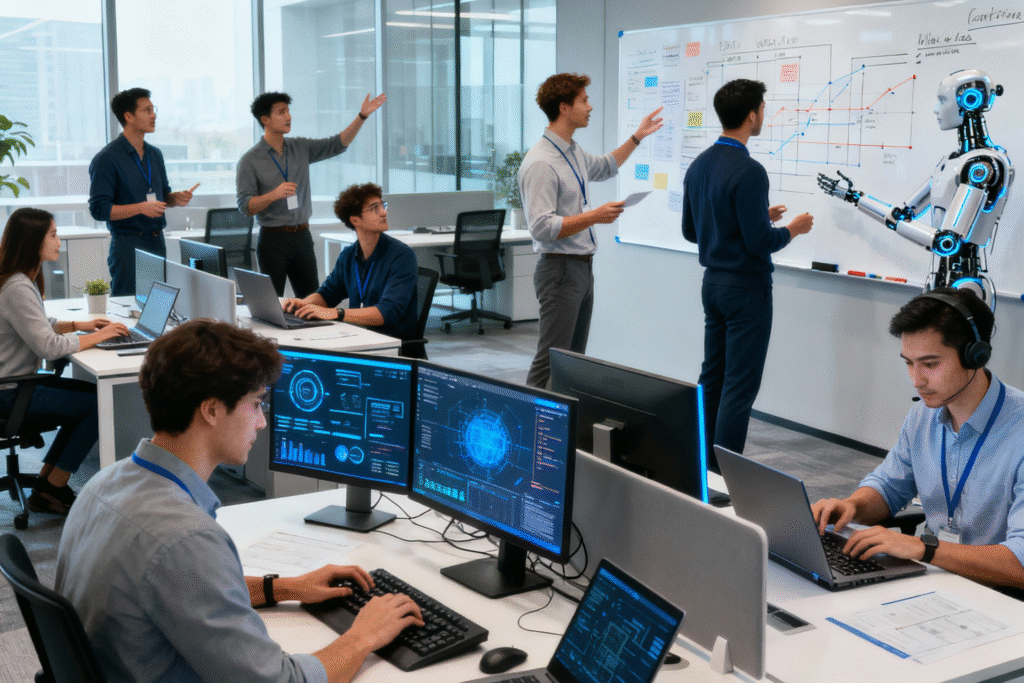
Education has always been the foundation of human progress. But in 2025, it’s no longer confined to chalkboards, textbooks, or four classroom walls. The digital revolution has completely redefined how we teach, learn, and interact with knowledge. From AI-powered tutoring systems to virtual classrooms and immersive AR/VR experiences, technology innovation in education has transformed learning into something more personal, accessible, and limitless.
We’re living in an era where students can learn anything, anywhere, and anytime — thanks to powerful tools that make education smarter and more inclusive. For educators, this shift isn’t just about adopting new gadgets; it’s about reimagining how teaching works in a connected world.
The Evolution of Education: From Classrooms to Connected Learning
A decade ago, most schools and universities still relied on traditional teaching methods — face-to-face lectures, printed materials, and standardized exams. Today, education has evolved into a blended and digital-first model, merging physical and virtual spaces to create a richer learning experience.
The COVID-19 pandemic accelerated this change, forcing educators to adopt digital platforms almost overnight. What started as an emergency solution has now become the new normal. Online learning, AI tutors, and interactive apps are now essential parts of education ecosystems.
In 2025, technology is not replacing teachers — it’s empowering them. The focus is on personalized learning, data-driven insights, and student engagement like never before.
Key Technology Innovations Driving Education in 2025
Let’s explore the major innovations reshaping how students learn and teachers teach.
1. Artificial Intelligence (AI) in Education
AI is one of the most transformative forces in modern education. It’s changing everything — from how lessons are delivered to how students are assessed.
AI-powered learning platforms analyze each student’s progress, strengths, and weaknesses to create personalized study plans. Instead of a one-size-fits-all approach, students now get custom recommendations, exercises, and feedback tailored just for them.
AI chatbots also assist with answering student queries instantly, while teachers use AI analytics to monitor classroom performance and adjust lessons accordingly.
For example, tools like ChatGPT, Duolingo Max, and Squirrel AI have shown how adaptive learning can improve engagement and outcomes.
At Tiso Studio, we help educational institutions integrate AI-driven tools and platforms that enhance learning efficiency and make knowledge delivery more interactive.
2. Virtual and Augmented Reality (VR & AR)
Imagine studying human anatomy by walking through a 3D model of the body or exploring the solar system in virtual space. That’s the power of VR and AR in education.
These immersive technologies turn abstract concepts into tangible experiences. Students can conduct virtual lab experiments, explore ancient civilizations, or practice complex surgeries — all without leaving the classroom.
VR learning is especially useful in STEM education, architecture, healthcare, and vocational training, where hands-on practice is essential.
At Tiso Studio, we work with educators to build AR/VR-enabled learning environments that make complex subjects more engaging and easier to understand.
3. Gamification: Making Learning Fun Again
Gamification uses elements of play — like points, levels, and rewards — to make learning more interactive.
Educational apps like Kahoot!, Quizizz, and Duolingo use gamification to keep students motivated and involved. When learners feel like they’re “playing” rather than “studying,” retention rates skyrocket.
Gamified learning promotes healthy competition, teamwork, and creativity — qualities that traditional classrooms often struggle to encourage.
Tiso Studio designs gamified e-learning solutions that turn lessons into exciting challenges, helping educators keep students engaged in a fun, productive way.
4. Cloud-Based Learning Platforms
Cloud technology has made education borderless. With cloud-based systems, students and teachers can access course materials, submit assignments, and collaborate on projects from anywhere in the world.
This flexibility supports remote learning, collaborative projects, and global classrooms where knowledge truly has no boundaries.
Platforms like Google Classroom, Microsoft Teams for Education, and Canvas have become the backbone of digital learning.
Tiso Studio helps institutions set up secure, scalable cloud infrastructures that ensure smooth collaboration, file sharing, and storage — while maintaining data privacy and accessibility.
5. Learning Analytics and Data-Driven Education
Data is transforming education just as it transformed business and healthcare.
Modern learning management systems collect valuable data about student engagement, test results, and progress. Educators use this information to identify struggling students early and tailor interventions.
With predictive analytics, schools can even forecast academic performance trends and improve overall outcomes.
At Tiso Studio, we build custom analytics dashboards that help schools and universities visualize key performance metrics and make data-backed decisions.
6. Internet of Things (IoT) in Smart Classrooms

IoT devices — from smartboards to attendance sensors — are turning ordinary classrooms into interactive learning environments.
Imagine classrooms where lights and temperature adjust automatically, or smart boards that record lessons for later access. IoT also supports remote monitoring, making it easier to manage campuses and improve student safety.
These technologies make education more efficient, sustainable, and responsive to real-time needs.
7. Blockchain in Education
Blockchain isn’t just for cryptocurrency — it’s revolutionizing record keeping and credential verification.
Educational institutions can now issue tamper-proof digital certificates and transcripts stored on secure blockchain networks. This reduces fraud and makes it easier for students to share verified credentials globally.
Blockchain also enables micro-credentialing, where learners earn verified badges for completing specific skills or short courses.
The Rise of EdTech Startups
Innovation in education isn’t limited to schools and universities — startups are leading the charge.
From AI-driven tutoring platforms to immersive learning apps, the EdTech sector has exploded, attracting billions in investment. In India alone, EdTech is projected to reach $10 billion by 2025, driven by increasing demand for flexible, tech-enabled learning solutions.
Companies like BYJU’S, Unacademy, Coursera, and Khan Academy are transforming education into a global, accessible, and personalized experience.
Tiso Studio partners with EdTech startups and institutions to create innovative, user-friendly digital learning platforms that empower both educators and learners.
Accessibility and Inclusivity Through Technology
Perhaps the greatest gift of technology in education is accessibility.
Students in remote areas can now access the same quality education as those in major cities. Tools like text-to-speech, voice recognition, and AI translators make learning possible for students with disabilities or language barriers.
Inclusive technology ensures that education becomes a right, not a privilege.
Challenges of Technology in Education
Of course, innovation also brings challenges:
- Digital Divide: Not all students have equal access to devices or the internet.
- Data Privacy: Schools must protect student data from cyber threats.
- Screen Fatigue: Prolonged screen use can affect health and attention spans.
- Teacher Training: Educators need support to adapt to new tools and systems.
At Tiso Studio, we believe innovation should be balanced with responsibility. Our solutions focus on secure, ethical, and human-centered design that supports teachers and protects learners.
How Tiso Studio Helps Drive Educational Innovation
Tiso Studio helps educational institutions and EdTech companies adapt to this digital transformation with custom technology solutions that make learning smarter and more engaging.
Here’s how we empower education through innovation:
- AI & Automation: Personalized learning experiences powered by data-driven insights.
- AR/VR Learning Environments: Immersive simulations that bring lessons to life.
- Gamified Platforms: Interactive apps that boost student motivation and performance.
- Cloud Solutions: Secure, scalable infrastructure for seamless learning access.
- Analytics Dashboards: Real-time insights into student progress and outcomes.
- Accessibility Tools: Inclusive design for learners of all abilities.
Whether it’s building an online learning app, a virtual classroom, or a digital analytics tool, Tiso Studio’s goal is to bridge the gap between technology and education — empowering institutions to educate for the future.
The Future of Education: Smart, Connected, and Human
By 2030, the education landscape will look dramatically different. Classrooms will be AI-assisted, learning will be hyper-personalized, and students will collaborate across continents through virtual spaces.
But no matter how advanced technology becomes, the heart of education will always remain human — teachers inspiring learners and learners discovering their potential.
Technology’s role is to amplify human connection, not replace it.
At Tiso Studio, we’re passionate about helping the world learn better — through innovation that’s inclusive, intelligent, and inspiring.






Recent Comments