How UX Design Shapes Digital Campaign Success

How UX Design Shapes Digital Campaign Success

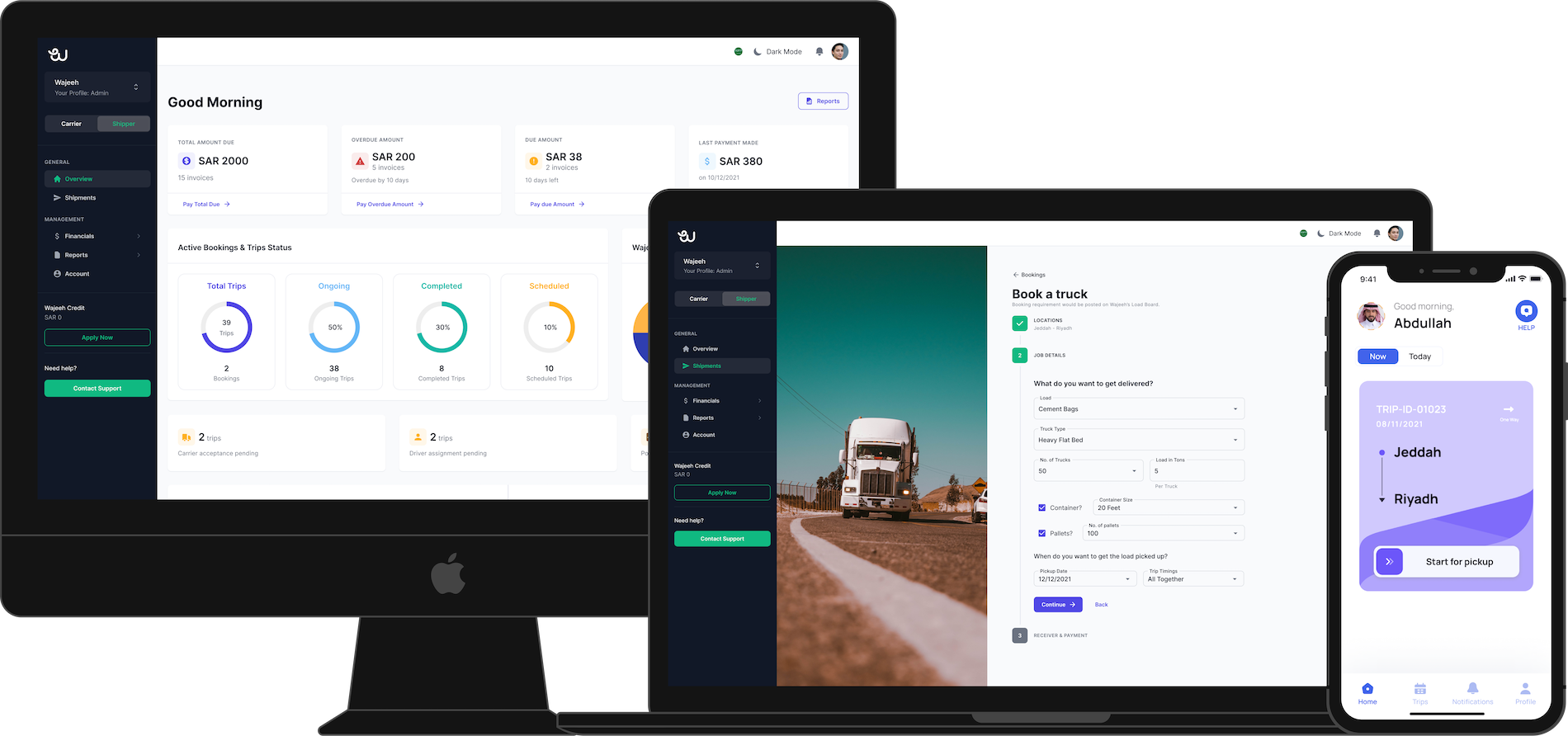
User journey mapping in UX design for digital campaigns.

In today’s digital landscape, a campaign’s success depends not only on creativity or budget but also on how users experience it. UX design in digital campaigns has become the silent engine behind higher engagement, lower bounce rates, and stronger conversions. Whether it’s a landing page, app interface, or interactive ad, good UX ensures your audience doesn’t just visit — they stay, interact, and convert.

This blog explores how user experience (UX) influences every stage of a digital marketing campaign — from awareness to conversion — and how brands can integrate UX principles to achieve measurable results.

Why UX Design in Digital Campaigns Matters More Than Ever

Digital users have short attention spans and high expectations. A campaign can attract millions of impressions, yet fail to convert if the experience frustrates users. UX design in digital campaigns bridges this gap by making the interaction intuitive, relevant, and enjoyable.

Unlike traditional advertising, where exposure is enough, digital success depends on action — a click, signup, or purchase. UX ensures these actions feel natural and rewarding.

A study by Forrester revealed that every $1 invested in UX design returns $100 in value — a staggering ROI that highlights how crucial user experience is in shaping digital outcomes.

The Connection Between UX and Digital Marketing Performance

Good UX design enhances digital marketing metrics across the board:

  • Higher engagement rates: Well-designed pages encourage exploration.
  • Better conversion rates: Clear calls to action (CTAs) guide users effortlessly.
  • Lower bounce rates: Fast-loading, accessible pages keep users on site.
  • Improved customer loyalty: Positive experiences foster brand trust.

Incorporating UX design in digital campaigns transforms a marketing strategy from persuasive to participatory — turning audiences into active participants in the brand story.

Core UX Principles That Drive Campaign Success

Successful campaigns blend design psychology, usability, and brand storytelling. Here are the key UX principles that make the difference:

1. User-Centered Design

At the heart of UX lies empathy. Understanding the audience’s motivations, pain points, and behavior patterns allows marketers to tailor campaigns that feel personal.

Before designing a campaign, conduct user research, persona mapping, and journey analysis. When users feel understood, engagement rises naturally.

2. Simplicity and Clarity

Digital users crave simplicity. Every element — from copy to buttons — must serve a purpose. Overloaded designs confuse users, while clear layouts improve navigation and retention.

3. Consistency Across Touchpoints

A campaign that feels consistent across web, mobile, and social platforms strengthens trust. Users should recognize your brand instantly, whether they encounter an ad on Instagram or a landing page.

4. Accessibility and Inclusivity

Accessibility is more than compliance — it’s smart UX. Ensuring your campaign is usable by everyone (including users with disabilities) broadens your audience reach and demonstrates brand integrity.

5. Emotional Design

Emotionally resonant design converts more effectively. Visual storytelling, relatable imagery, and micro-interactions can transform a simple promotion into an experience that feels personal and memorable.

How UX Enhances Each Stage of the Digital Campaign Funnel

Example of interactive landing page UX design in digital marketing campaigns.

A strong UX strategy supports every stage of the customer journey, from awareness to advocacy.

Awareness: Capturing Attention Instantly

In the awareness stage, visuals and navigation must grab attention quickly. High-impact design, optimized for speed and clarity, ensures users stay engaged.

Campaign microsites, interactive banners, and social ads perform better when they communicate value in under five seconds.

Consideration: Building Trust Through Experience

Once users engage, UX design maintains momentum. Easy navigation, informative visuals, and fast load times demonstrate credibility. For example, providing comparison tools or dynamic content helps users make informed choices.

Conversion: Simplifying the Decision

Conversion-focused UX removes friction. Clear CTAs, secure forms, and optimized checkout experiences are essential. Even subtle design tweaks — such as button color or placement — can increase conversions by over 20%.

Retention: Creating Lasting Impressions

Post-conversion UX ensures users return. Personalized dashboards, helpful onboarding flows, and intuitive customer portals strengthen loyalty and encourage repeat engagement.

UX Design Techniques That Maximize Campaign Effectiveness

Interactive Landing Pages

Static pages are outdated. Interactive elements like quizzes, sliders, and product visualizers invite participation, increasing dwell time and engagement.

Data-Driven Personalization

AI-driven UX tools personalize experiences dynamically. Campaigns that adapt to user behavior see conversion rates increase by up to 50%.

Micro-Interactions

Small, delightful animations — like button effects or progress bars — give users feedback, making interactions more satisfying and natural.

Mobile-First Design

With over 70% of web traffic coming from mobile, designing for smaller screens first ensures that your campaign looks perfect on every device.

A/B Testing and Continuous Improvement

Ongoing UX testing reveals what works best. Even a small improvement in navigation clarity or CTA visibility can generate measurable ROI.

The Role of UX in Paid Advertising and Social Media Campaigns

UX doesn’t end on your website. It plays a vital role in ads and social interactions too.

Ad Experience

Well-crafted ad UX ensures clarity and quick comprehension. When users understand your offer instantly, click-through rates rise significantly.

Post-Click Experience

A seamless transition from ad to landing page is crucial. If the post-click UX fails to match the ad promise, users drop off. Aligning visual tone, message, and load time is key.

Social Media Integration

Social platforms reward user-friendly content. Campaigns optimized for usability (e.g., interactive polls, swipe-up stories) perform better organically and through paid boosts.

Case Studies: Brands Winning with UX-Driven Campaigns

Nike: Interactive Product Customization

Nike’s UX-driven campaigns let users design their own shoes. This personalized approach boosted engagement and drove social sharing — blending UX and marketing seamlessly.

Spotify Wrapped: Personalized Storytelling

Spotify Wrapped turns user data into emotional narratives, creating a UX campaign that users eagerly await each year. It showcases how personalization can drive brand advocacy.

Airbnb: Trust Through Design

Airbnb’s campaigns use consistent, intuitive UX to convey safety and belonging. From ad click to booking, users experience a unified journey that builds confidence and loyalty.

Common UX Mistakes That Derail Campaigns

Avoiding these pitfalls can make or break your digital campaign success:

  • Slow load times – Users abandon pages that take longer than 3 seconds.
  • Confusing navigation – Poor structure leads to frustration and drop-offs.
  • Weak CTAs – Vague or cluttered calls-to-action hurt conversions.
  • Ignoring mobile optimization – Failing to test on mobile devices alienates most users.
  • Inconsistent design – Visual or tonal mismatches weaken trust.

Tools and Platforms That Enhance UX in Digital Marketing

  • Hotjar / Crazy Egg – For heatmaps and session recordings.
  • Google Optimize – For A/B testing and experience optimization.
  • Figma / Adobe XD – For UX prototyping and collaboration.
  • HubSpot – For integrating UX with marketing automation.
  • Optimizely – For data-driven personalization.

Each of these platforms helps marketers test and refine experiences continuously — the cornerstone of successful UX.

Ethical and Inclusive UX in Digital Campaigns

Ethical UX respects user privacy, ensures transparency, and avoids manipulative “dark patterns.” Building campaigns that respect consent and accessibility not only fosters goodwill but also protects your brand’s reputation in a data-conscious world.

Inclusive UX design opens digital campaigns to all demographics — a key to sustainable growth.

Future of UX in Digital Campaigns: AI, AR, and Beyond

The next wave of UX design in digital campaigns involves predictive personalization, voice interfaces, and immersive experiences. AI will anticipate user needs before they act, while AR and VR will transform passive engagement into active exploration.

Brands investing in next-gen UX now will define how digital marketing feels in the next decade.

Conclusion: UX as the Secret Weapon for Digital Campaign Success

In the competitive digital marketing landscape, UX design in digital campaigns is not optional — it’s the differentiator. When campaigns feel intuitive, responsive, and human, conversion follows naturally.

The most successful digital brands don’t just sell; they design experiences that resonate emotionally and function flawlessly.

Ready to Elevate Your Digital Campaigns with Exceptional UX?

Partner with Tiso Studio to design user experiences that captivate, convert, and retain. Our UX specialists integrate creative design, behavioral science, and data analytics to craft campaigns that deliver measurable results.

Transform your next campaign into a seamless, conversion-driven experience.
Explore our Emerging Technology & UX Services

FAQ’S

1. How does UX design directly impact digital campaign conversions?

UX design removes friction during the user journey, making it easier for users to take action. From button placement to navigation flow, good UX increases clarity and reduces drop-offs — ultimately boosting conversions.

2. Is UX only important for landing pages, or does it affect ads too?

UX plays a crucial role across the entire campaign funnel, including ads. A well-designed ad with clear messaging and intuitive visuals improves click-through rates, while a consistent post-click UX drives conversions.

3. What UX elements matter most in a high-performing campaign?

Speed, simplicity, mobile-first layouts, interactive elements, and clear CTAs are fundamental. Personalization and micro-interactions also help hold user attention and drive engagement.

4. How can brands measure the impact of UX on campaign performance?

Brands can track UX effectiveness through metrics like bounce rate, session duration, scroll depth, conversion rate, and A/B test comparisons. Heatmaps and user recordings also provide insight into real-time behavior.

5. Do small UX improvements really make a noticeable difference in campaign results?

Yes — even small UX tweaks like faster load times, clearer wording, or streamlined forms can significantly improve conversions. Many brands have seen 15%–40% uplift from simple UX adjustments.

Leave a Reply

Your email address will not be published. Required fields are marked *