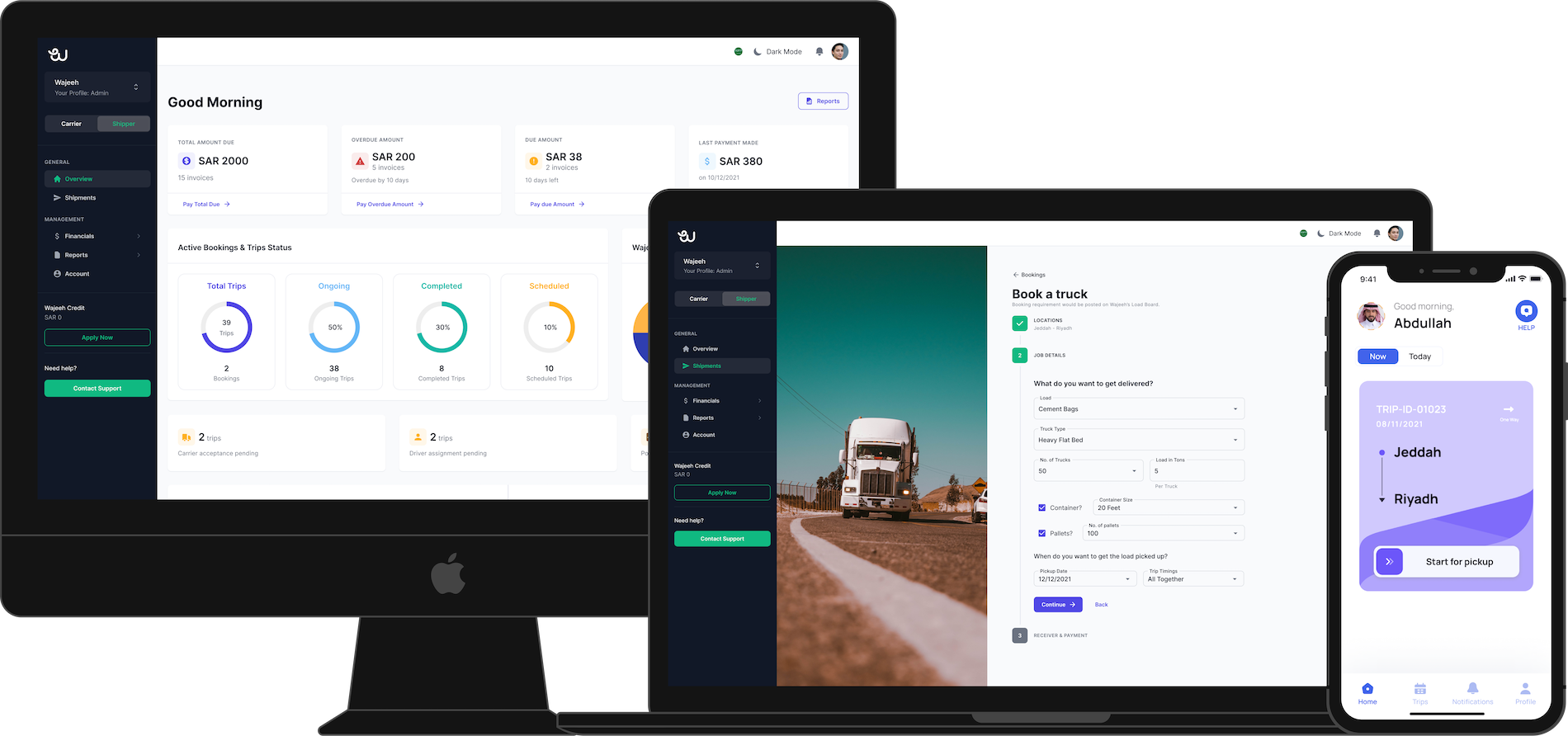
How Great UX Design Can Boost Customer Retention

A great product is only as powerful as the experience it provides. In today’s digital market, where users have countless choices at their fingertips, UX design has become a defining factor that determines whether customers stay loyal or drift away. Businesses that invest in high-quality app design and seamless digital experiences see higher engagement, stronger trust, and lasting retention. Great UX is more than visual polish—it’s the invisible bridge that connects users emotionally with your brand.
Why UX Design Matters for Retention
User experience defines how easily people can navigate your product and accomplish what they need. When users encounter friction—slow loading times, confusing navigation, or poorly structured content—they often abandon the app altogether. Exceptional UX design eliminates frustration and builds confidence. It gives users a sense of control, making them more likely to return.
From initial onboarding to daily interactions, every micro-experience influences perception. A thoughtfully designed mobile app that anticipates needs, communicates consistently, and delivers value keeps users engaged far longer. In contrast, even visually appealing interfaces without strong usability are forgotten quickly.
The Emotional Impact of Good UX
Behind every successful product is an emotional connection. Modern users crave simplicity and fulfillment. When design aligns perfectly with user intent, satisfaction follows. Elements such as smooth animations, precise button placements, or intuitive gestures can trigger a sense of delight.
A well-implemented mobile app UI UX design strategy ensures the app “feels right.” Users shouldn’t think about how to use your product—it should simply flow. Consistency in design language across screens, clarity in messaging, and responsive interactions create emotional security. When users feel understood and valued, they stay longer and engage more deeply.
First Impressions Set the Stage
The first 10 seconds of interaction decide whether users trust your product. That’s the critical moment where app design agencies focus their expertise—crafting onboarding experiences that speak clearly and build anticipation. A clutter-free layout, a friendly tone, and quick sign-up options make a strong impression.
Simplicity in design eliminates overwhelm. Instead of flooding users with features at once, a gradual reveal process guides them smoothly. This tone of guidance fosters confidence. Users who immediately grasp how your app benefits them will see value faster—and return consistently.
Consistency Builds Brand Loyalty
Consistency might sound simple, but it’s often overlooked. Maintaining familiar colors, typography, and iconography across your product strengthens brand recognition. Users start associating those design elements with your reliability. Over time, consistency builds subconscious comfort—the foundation of loyalty.
When multiple app design elements behave predictably, users develop habits around them. Predictable experiences feel safe. For example, a call-to-action button placed in the same spot across all screens becomes second nature. This predictability nurtures retention by lowering cognitive load and reinforcing brand familiarity.
Personalization Enhances Engagement
Every user expects relevance. Generic digital experiences rarely satisfy today’s audience. Smart UX design integrates personalization—adapting content or options based on behavior, preferences, and usage patterns. An app that remembers your history or offers meaningful suggestions holds deeper value.
Businesses that leverage UX data to tailor experiences see massive improvements in retention. Personalized dashboards, saved preferences, and adaptive notifications show users that their time matters. This sense of digital empathy builds relationships far beyond functionality.
Seamless Navigation Reduces Frustration
Navigation is the backbone of digital experience. Whether it’s a mobile banking app or shopping platform, intuitive journeys compel users to explore. Good mobile app UI UX design avoids buried menus and complex pathways. Instead, it structures content logically and anticipates paths users will take.
Clear labeling, visible search functions, and easy access to support give users confidence. Reduced friction means users spend more time engaging instead of figuring things out. Over time, this sense of usability transforms occasional users into loyal advocates.
Fast Performance Retains Interest

A beautiful app that lags loses attention quickly. Studies show that even a one-second delay can significantly increase bounce rates. UX isn’t just about visuals, performance plays an equal role. Smooth interactions, quick response times, and optimized loading screens sustain engagement.
For app design agencies, performance tuning is integral to retention strategy. Every animation, image, and function should load instantly. Speed reassures users that the product respects their time, while lag communicates neglect. A fast, reliable app forms a positive emotional loop that encourages return visits.
Accessibility Expands Your Audience
Inclusivity is strong UX. Designing for accessibility not only reaches a wider audience but also enhances retention among users with diverse needs. Features like voice navigation, readable contrast levels, and accessible touch zones communicate empathy and respect.
A product that feels usable for everyone builds universal satisfaction. Thoughtful app design ensures accessibility elements integrate naturally into interfaces without compromising style. When everyone can navigate your app effortlessly, retention grows organically.
Visual Hierarchy Directs Attention
In the digital world, attention is fleeting. Effective visual hierarchy in mobile app UI UX design guides the user’s eye toward critical actions or content. Using contrast, spacing, and alignment, designers subtly direct attention where it matters most.
A strong visual hierarchy enhances usability while reinforcing engagement. Instead of users getting lost in options, the layout leads them naturally through the experience. Clear focus points improve comprehension and decision-making—both essential for keeping users active.
Microinteractions Craft Delight
Tiny details often make the biggest impact. Microinteractions—those small animations when a user taps a button or pulls to refresh—add character to your app. These moments transform static functionality into a living, responsive product that interacts back.
An app design agency understands how microinteractions influence psychology. They create satisfaction loops that keep users engaged, reinforcing the idea that every action has meaning. Delightful feedback encourages playfulness and curiosity, ultimately improving retention.
Data-Driven UX Decisions
Great design decisions come from insight, not guesswork. UX analytics tools capture behavior data—tracking drop-off points, frequently used features, and navigation paths. This data helps designers identify friction points that affect retention.
When mobile app UI UX design evolves using data, improvements become targeted and meaningful. Changes based on quantified user patterns are more likely to result in increased session lengths and repeated visits. It’s how successful apps continuously refine the user journey.
Simplifying User Journeys
Complex journeys lead to frustration. Users should arrive at their goals with minimal effort. Mapping user flows helps identify unnecessary steps that can be simplified or automated. This principle lies at the heart of high-quality UX design.
When sign-ups, purchases, or information retrieval take fewer taps, satisfaction rises. Streamlined experiences reduce cognitive strain, letting users focus on what they came for. Businesses that prioritize simplicity ultimately retain more customers over time.
Building Trust Through Transparency
Modern users value honesty. They expect transparency regarding data usage, pricing, and processes. UX plays a vital role in communicating that transparency. Clear wording, accessible terms, and visible privacy controls build trust from day one.
App design agencies that focus on transparent design encourage repeat engagement. When users trust your product, they not only return but also recommend it. In a competitive marketplace, trust-driven loyalty becomes your strongest retention tool.
Emotional Design as a Retention Strategy
Beyond usability and aesthetics lies emotional design—the principle of crafting experiences that evoke feelings. Specifically, from subtle color psychology to thoughtful copywriting, emotional cues play a major role in user retention.
In fact, designs that evoke joy, curiosity, or satisfaction create memories. As a result, emotional connection fosters loyalty even in the face of newer alternatives. Therefore, businesses that align app design with human aspirations turn one-time users into brand ambassadors.
Continuous Feedback and Iteration
However, retention doesn’t end after launch. Instead, great design evolves continuously. By collecting user feedback through surveys or in-app prompts, you can identify what users truly value. Then, iterative improvements based on that feedback sustain satisfaction and engagement.
Furthermore, when users notice their suggestions reflected in updates, they feel heard. As a result, this participatory sense of progression promotes loyalty. Ultimately, continuous UX refinement keeps your app aligned with changing expectations and technologies.
The Role of Professional App Design Agencies
Creating a seamless experience requires expertise across technology, creativity, and psychology. Professional app design agencies bring that diverse skill set together. They combine research, testing, and creativity to ensure your product meets real-world expectations.
An agency experienced in mobile app UI UX design understands how design decisions influence retention metrics. They craft every interaction to optimize conversions and repeat use. Partnering with professionals guarantees a user experience that feels natural, future-ready, and emotionally engaging.
Aligning UX with Business Goals
Indeed, retention isn’t only a design metric—it’s a business outcome. Therefore, UX should reflect broader goals like customer lifetime value, conversion rate, or brand reputation. In essence, a strong UX strategy aligns user satisfaction with revenue generation.
Moreover, an app that helps users succeed effectively supports business growth. When customers accomplish their goals with ease, they form habits around your product. Consequently, these habitual interactions increase retention and long-term profitability.
Case Insight: Mobile App UX Success Story
For instance, consider a ride-sharing application that revamped its app design by prioritizing UX principles. Rather than adding new features, the team simplified navigation, reduced booking steps, and redesigned the payment interface for faster execution. As a result, within three months, daily active usage rose by 25%, and user retention jumped by 18%.
Furthermore, this improvement didn’t result from marketing campaigns—it came purely from better design. Ultimately, the takeaway is clear: great UX isn’t an expense. It’s a performance multiplier that translates directly into measurable business value.
Future Trends in UX Retention Design
The next phase of UX evolution merges technology and empathy. As a result, AI-driven personalization, voice-assisted navigation, and immersive interfaces will continue to redefine engagement. In addition, with app design agencies leveraging predictive analytics, experiences will soon adapt seamlessly in real time to user emotions and contexts.
Moreover, as these technologies mature, businesses that prioritize mobile app UI UX design will create environments that users naturally gravitate toward. Ultimately, retention in the near future will depend not only on usability but also on meaningful digital relationships driven by adaptive design.
Boost customer loyalty with expert UX design from Tiso Studio. Enhance your app’s user experience to keep users engaged and coming back. Contact us to create intuitive, retention-driven mobile app UI UX design solutions.


Recent Comments