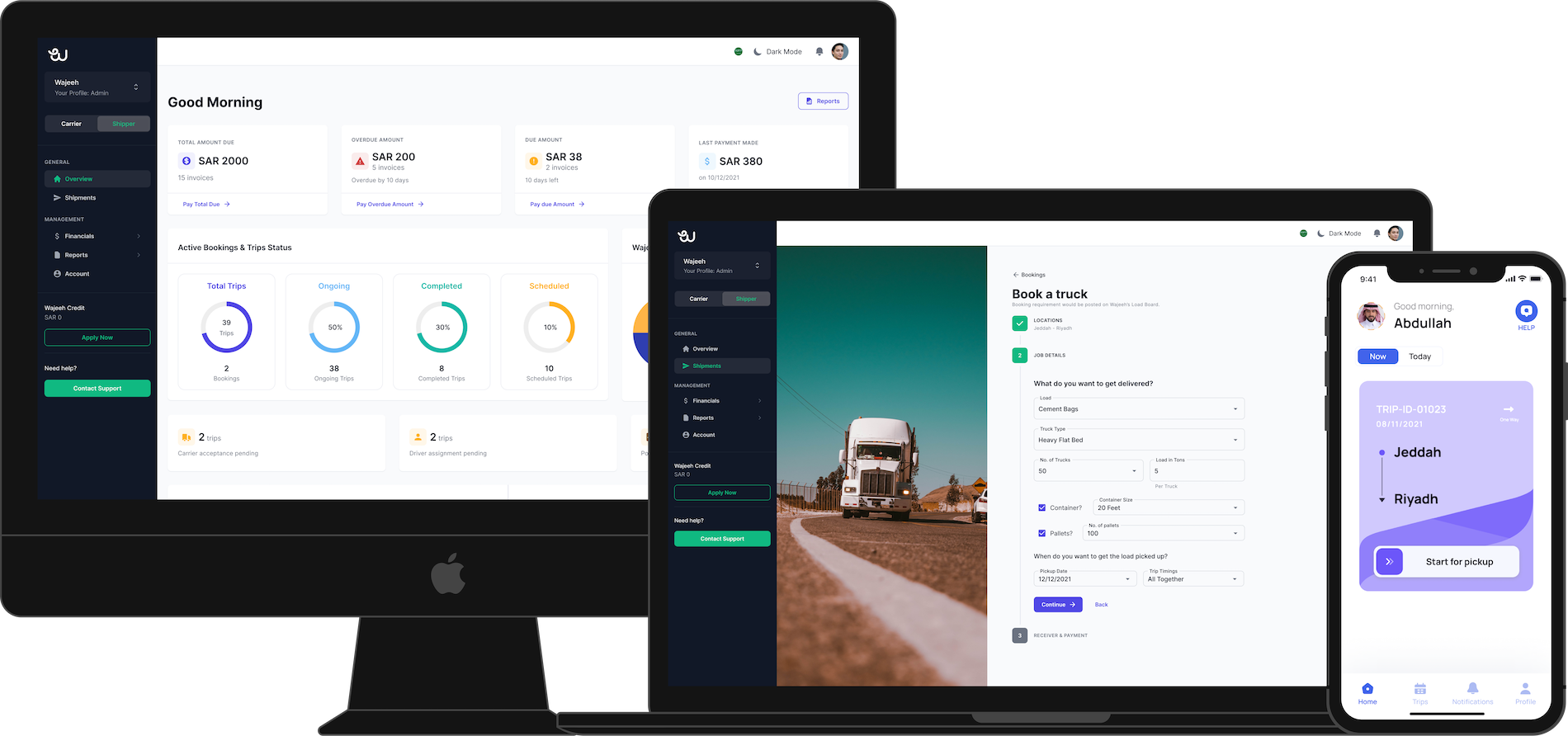
Building Digital Products That Scale: Lessons from Full-Stack Development

In today’s hyper-connected, high-demand digital world, creating a digital product that merely “works” isn’t enough. The real challenge lies in scaling — ensuring your product performs seamlessly as user demands grow, features expand, and technologies evolve.

At Tiso Studio, we’ve seen firsthand how full-stack development offers unique insights into building scalable, future-proof digital solutions. In this article, we share the key lessons we’ve learned while building digital products that scale from startup MVPs to enterprise ecosystems.

Start with Scalability in Mind, Not as an Afterthought

A common mistake many teams make is treating scalability as a “Phase 2” problem. The truth is, scalability starts from the first line of code.

Lessons from Full-Stack Practice:

  • Choose scalable tech stacks early (e.g., Node.js + React, Next.js, MongoDB, PostgreSQL, etc.).

  • Structure your project with modular architecture: break features into components, services, and microservices when needed.

  • Use CI/CD pipelines and version control systems like GitHub Actions or GitLab CI to prepare for rapid scaling.

Pro Tip: Build with Docker and Kubernetes readiness even if you’re deploying simple apps — future scaling becomes smoother.

Full-Stack Teams Understand the Whole Picture

A full-stack developer sees both front-end experiences and back-end logic, giving them a unique perspective on scalability. This holistic view helps prevent bottlenecks across the system.

Key Takeaways:

  • Optimize how the front-end consumes APIs — avoid over-fetching and under-fetching data.

  • Ensure the back-end supports pagination, filtering, and caching at scale.

  • Plan user flows based on technical feasibility. For example, if real-time collaboration is a future requirement, plan sockets or WebRTC integration early.

Tech Insight: Implement GraphQL or REST APIs with rate limiting, API gateways, and scalable authentication (JWT, OAuth 2.0)

"Full-stack development team collaboratively working on a unified digital product system"

Use Cloud-Native Tools to Future-Proof Infrastructure

Scalable digital products often rely on cloud-native infrastructure. Full-stack developers who understand DevOps and infrastructure-as-code (IaC) bring immense value here.

Tools We Recommend

  • AWS / GCP / Azure – For cloud services and autoscaling capabilities.
  • Docker + Kubernetes – For robust container orchestration and scalability.
  • Terraform / Pulumi – For infrastructure-as-code and environment replication.
Lesson Learned

Avoid hardcoding environment-specific variables — use .env files, secrets managers, and abstraction layers for a secure, portable infrastructure.

Database Design Can Make or Break Scalability

"Visual comparison of good vs poor database design affecting scalability of digital products"

Databases often become the first bottleneck when your product starts gaining traction. A full-stack approach helps foresee issues with read/write loads, indexes, and data modeling.

Scalable DB Practices:

  • Use NoSQL (MongoDB, Firebase) for flexible, high-read apps.

  • Use SQL (PostgreSQL, MySQL) for relational data with strict constraints.

  • Add indexing, sharding, and horizontal scaling support from the beginning.

  • Utilize caching (Redis, Memcached) to reduce DB load.

Performance Tip: For write-heavy applications, consider event-driven architecture with queue systems like RabbitMQ or Kafka.

“Visibility drives velocity. Teams that monitor, scale faster — with confidence, not chaos.”

Performance Optimization Is a Shared Responsibility

Front-end performance is as important as back-end efficiency. Full-stack developers bridge both worlds to ensure users enjoy a fast, responsive experience regardless of traffic levels.

Frontend Optimization Tips

  • Lazy load images and modules
  • Use CDN (Cloudflare, AWS CloudFront) for static content delivery
  • Reduce JavaScript bundle size using tree-shaking and code-splitting

Backend Optimization Tips

  • Enable server-side caching
  • Optimize SQL queries and avoid N+1 query problems
  • Minimize redundant computations using background jobs or serverless functions

Performance Optimization Is a Shared Responsibility

Front-end performance is as important as back-end efficiency. Full-stack devs bridge both worlds to ensure that users enjoy a fast, responsive experience regardless of traffic.

Frontend Optimization Tips:

  • Lazy load images and modules.

  • Use CDN (Cloudflare, AWS CloudFront) for static content delivery.

  • Reduce JavaScript bundle size using tree-shaking and code-splitting.

Backend Optimization Tips:

  • Enable server-side caching.

  • Optimize SQL queries and avoid N+1 query problems.

  • Minimize redundant computations — use background jobs or serverless functions.

Monitor Everything, Always

If you don’t monitor it, you can’t scale it. One of the key lessons from building production-grade digital products is that observability is non-negotiable.

Frontend Monitoring

  • Sentry
  • LogRocket
  • Vercel Analytics

Backend Monitoring

  • Prometheus
  • Grafana
  • Datadog
  • New Relic

Infrastructure Monitoring

  • CloudWatch
  • ELK Stack
  • Loki
Logging Best Practice

Structure logs with metadata so they’re easy to search and analyze as your app grows.

Test for Growth, Not Just for Bugs

Scalability isn’t just about performance — it’s about ensuring reliability as the product evolves. Testing ensures your product withstands both code changes and traffic spikes.

Unit Testing
Jest, Mocha, NUnit
Integration Testing
Postman, SuperTest
Load Testing
k6, JMeter, Locust
End-to-End Testing
Cypress, Playwright
Bonus Tip: Automate testing in CI/CD pipelines so your product remains stable through every update.

Build for Adaptability, Not Just Stability

Truly scalable products evolve continuously — adding new features, entering new markets, or integrating with new systems. Full-stack teams design architectures that welcome change.

Scalable Design Patterns:

  • Modular Codebase: Isolate features in separate folders/modules.
  • Feature Flags: Release features gradually without redeploying the entire app.
  • API Versioning: Prevents breaking changes when clients evolve differently.

Team Insight: Plan internal developer documentation from the start. Scalability also means more devs joining the project later — make onboarding easy.

Real-World Examples of Scalable Architecture

Slack transitioned from a monolithic PHP app to a service-oriented design early, using AWS EC2 & S3 to enable horizontal scaling.
Airbnb uses cross-functional squads — full-stack developers, PMs, and designers — to build and scale complex product areas independently.
Netflix adopted AWS early, using microservices and CI/CD tools like Spinnaker along with chaos engineering to build resilient systems.
Instagram shifted from PostgreSQL to Cassandra to manage write-heavy feeds and maintain high availability during rapid user growth.
Spotify integrates real-time observability with Prometheus and Grafana to monitor CPU, memory, and user behavior during rollouts.
Shopify prepares for Black Friday traffic using tools like k6 to simulate millions of users, ensuring consistent performance under pressure.

Scalability Case Study Highlights

1. Architectural Refactoring for Scale

We migrated the monolithic app to a Next.js frontend and a Node.js + Express backend, hosted on AWS. Docker containers and ECS (Elastic Container Service) allowed horizontal scaling with traffic surges.

2. Database Optimization & Caching

We restructured the MySQL database, added indexes, and implemented Redis caching for frequently accessed delivery metrics. Query times dropped from ~2 seconds to under 300ms.

3. Real-Time Capability with Serverless & WebSockets

Instead of polling APIs, we integrated Socket.IO for real-time updates. Events were processed using AWS Lambda, enabling near-instant vehicle tracking with minimal server cost.

4. End-to-End Monitoring Setup

We configured Grafana dashboards, integrated Sentry for frontend error tracking, and added custom logging middleware to catch anomalies early.

Final Thoughts

Building scalable digital products isn’t a one-time achievement. It’s an ongoing practice that touches every layer — front-end, back-end, infrastructure, databases, testing, and team collaboration.

Whether you’re building your first MVP or expanding into a global market, embracing full-stack development principles can be the difference between a product that fades and one that thrives at scale.

Need help building or scaling your digital product?

Leave a Reply

Your email address will not be published. Required fields are marked *