
How does game UI/UX design boost mobile player engagement?
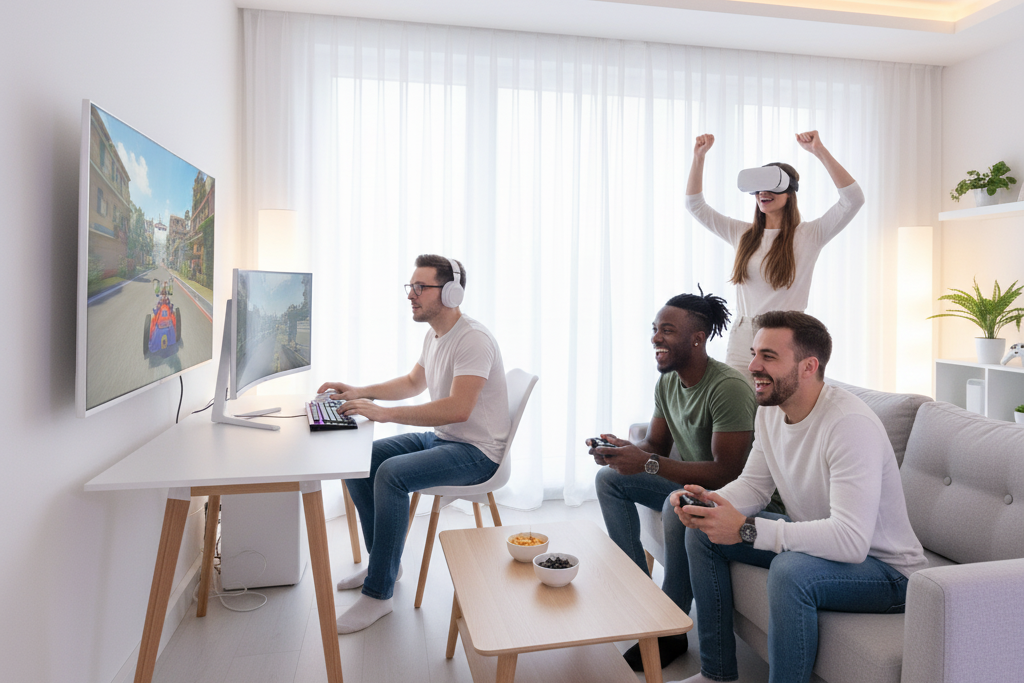
Think about the last mobile game you played — what made you open it again the next day? Maybe it was the smooth gameplay, the satisfying buttons, or how easy it was to jump right back in. That’s the magic of good UI (User Interface) and UX (User Experience) design.
In today’s world, mobile games are more than just entertainment — they’re experiences. Players expect speed, fun, and immersion from the very first tap. If a game feels confusing, cluttered, or frustrating, players move on instantly.
That’s why game studios today, including Tiso Studio, are focusing more than ever on building designs that feel right. We create UI/UX experiences that aren’t just beautiful — they make games intuitive, engaging, and addictive (in the best way).
What Exactly Is UI and UX in Gaming?
Before diving deep, let’s break it down.
- User Interface (UI) is everything you see on the screen — buttons, icons, menus, scoreboards, animations. It’s the visual layer of the game.
- User Experience (UX) is how players feel when interacting with that interface — how easy it is to play, how rewarding it feels, and how natural the journey is from start to finish.
UI makes a game look amazing. UX makes it unforgettable. Together, they turn an ordinary app into a favorite pastime.
Why UI/UX Design Is Crucial for Mobile Games
1. First Impressions Are Everything
In mobile gaming, attention spans are short — really short. Players decide in just a few seconds if they’ll continue or uninstall. A clean, inviting interface helps them stay and explore. A confusing layout, on the other hand, ends the journey before it begins.
2. Smooth Navigation Keeps the Flow Alive
Every tap, swipe, and button press should feel natural. If players have to guess how to start a game or find a menu, frustration builds. Great UX design ensures that players spend time playing, not figuring things out.
3. Consistency Builds Trust
Games with consistent colors, fonts, and icons feel more professional. Players can instantly recognize and connect with them. A consistent style also makes the entire experience feel cohesive and reliable.
4. Retention Relies on Experience
Players stick around when the game feels rewarding. Even subtle details — like progress bars, achievements, or satisfying animations — encourage them to come back. Good UX = higher retention and better reviews.
Principles of Great Game UI Design
1. Keep It Clean and Simple
Clutter is the enemy of clarity. On a small mobile screen, less is more. A simple, elegant layout lets players focus on the action, not the distractions.
2. Design for Function
Every button, menu, or icon should have a clear purpose. Easy-to-tap elements improve comfort and accessibility, especially during intense gameplay moments.
3. Visual Hierarchy Matters
Guide players’ eyes where they need to go. Use colors, contrast, and size to highlight important buttons like Play, Continue, or Next Level. Subtlety can do wonders.
4. Give Feedback
When players take action — like completing a mission or pressing a button — the game should respond. A click sound, a flash, or a subtle vibration tells them, “Yes, you did that right.”
5. Optimize for Every Screen
Your game will be played on dozens of devices — different sizes, resolutions, and orientations. Responsive design ensures everyone enjoys the same smooth experience.
How UX Shapes Player Experience
1. Effortless Onboarding
No one wants to read pages of instructions before playing. The best games teach players as they play. Short, fun tutorials make learning part of the experience.
2. Keep Players in the Zone
Balance is key. Too easy, and it’s boring. Too hard, and it’s frustrating. Smart UX design maintains that perfect “flow state,” where challenge meets enjoyment.
3. Emotion Drives Engagement
Colors, sounds, and animations trigger emotion. A bright palette excites action; calm tones support strategy games. Emotional connection keeps players loyal.
4. Reward Progress
Humans love achievement. Badges, trophies, and even small animations after a win give players a sense of success — a little “you did it!” moment.
5. Remove Friction
Anything that confuses or slows down the player must go. UX designers aim to make every interaction seamless, predictable, and fun.
The Impact of Great UI/UX on Retention
Good design keeps people playing. Simple. When a game feels natural and rewarding, players stay longer, spend more, and share it with friends.
Here’s what happens when UI/UX is done right:
- Players instantly understand how to play.
- They feel emotionally connected to the game.
- They return daily because it feels good to use.
- Word-of-mouth spreads — and that’s free marketing.
In fact, studies show that players are 3x more likely to stick with a game that offers smooth, enjoyable experiences.
How Tiso Studio Helps You Build Winning Game Designs
At Tiso Studio, we understand that every great game begins with empathy — understanding what players want and how they think. Our mission is to turn your creative vision into a game that feels effortless to play and impossible to forget.
1. Designing Intuitive Interfaces
We craft clean, vibrant, and user-friendly interfaces that enhance gameplay instead of distracting from it. Every design element serves a purpose.
2. Creating Seamless User Journeys
We map out every user interaction to make the flow feel natural. From the home screen to the last level, our designs keep players emotionally connected.
3. Gamification That Works
We integrate progress systems, leaderboards, and achievements to motivate users and keep them coming back for more.
4. Cross-Device Optimization
Whether your game is played on Android, iOS, or tablets, we ensure it performs flawlessly across all platforms.
5. Continuous Testing and Improvement
Our process includes real-user testing, feedback analysis, and ongoing refinements to keep your game aligned with evolving trends and player expectations.
Future Trends in Game UI/UX Design
The gaming world is evolving fast — and so is design. Here’s what’s shaping the future:
- AI Personalization: Games adapting in real time to player skill and mood.
- AR/VR Integration: Immersive experiences that blend real and digital worlds.
- Voice and Gesture Controls: Intuitive ways to play without traditional buttons.
- Minimalist Interfaces: Simpler, cleaner layouts for better usability.
- Social Connectivity: Integrating multiplayer and community engagement for deeper play.
These trends make one thing clear — the future of mobile gaming is personal, immersive, and emotionally engaging.
Design Is the Heart of Every Game
In the end, designing UI/UX for mobile gaming success isn’t just about looks — it’s about feeling. It’s the difference between a game players try once and one they can’t put down.
Good design tells a story, builds emotion, and creates loyalty. It makes players say, “I’ll play just one more level.”
At Tiso Studio, we believe every tap, color, and animation has power. We don’t just design interfaces — we design experiences that connect, excite, and inspire. Because when design feels human, the game becomes unforgettable.





Recent Comments