
Your car is one of your biggest investments, and keeping it running smoothly doesn’t have to be complicated or expensive. This guide is for everyday drivers who want to avoid costly breakdowns and extend their vehicle’s lifespan without becoming a mechanic.
We’ll walk you through the most important car maintenance tasks that make the biggest difference. You’ll learn how to keep your car running smoothly by mastering regular maintenance routines that take just minutes but save you hundreds of dollars. We’ll also cover how to maintain your tires properly for better gas mileage and safety, plus simple ways to keep your battery and electrical system in top shape so you’re never left stranded.
Master Essential Tasks to Keep Your Car Running Smoothly
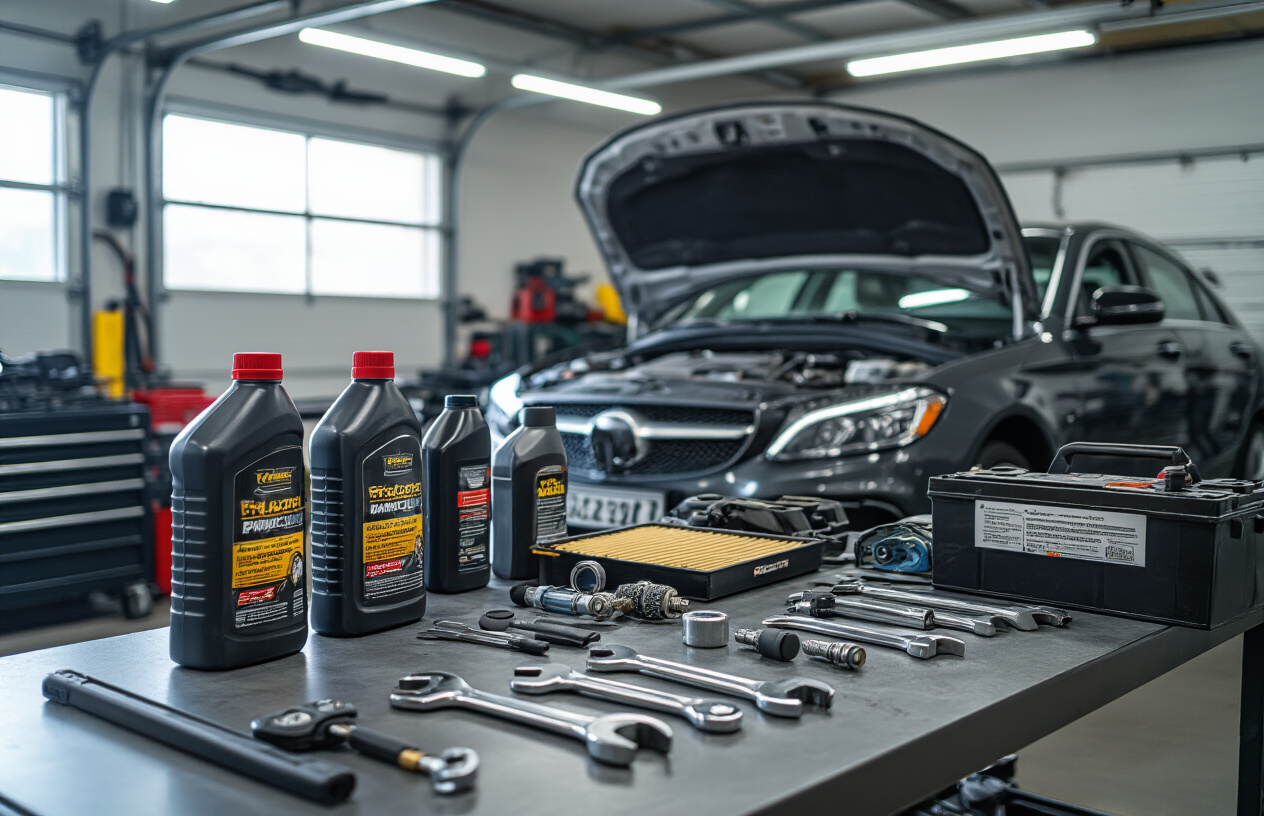
Change Engine Oil Regularly to Keep Your Car Running Smoothly
Your engine oil is basically the lifeblood of your car’s motor. Without proper lubrication, metal parts grind against each other, creating friction that can destroy your engine in a matter of minutes. Regular oil changes keep everything running smoothly and prevent costly repairs down the road.
Most mechanics recommend changing your oil every 3,000 to 5,000 miles, but check your owner’s manual for the manufacturer’s specific recommendations. Newer cars with synthetic oil can often go 7,500 to 10,000 miles between changes, while older vehicles typically need more frequent attention.
When changing oil, always replace the filter too. A clogged filter can’t do its job of removing contaminants, which defeats the purpose of fresh oil. Look for signs that your oil needs changing: dark, gritty oil on the dipstick, engine knocking sounds, or the oil change light on your dashboard.
Replace Your Air Filter to Maintain Smooth Car Performance
Your car’s air filter prevents dirt, debris, and other particles from entering the engine. A clean filter allows proper airflow, improving fuel efficiency and engine performance. A dirty filter restricts airflow, forcing your engine to work harder and burn more fuel.
Check your air filter every 12,000 to 15,000 miles, or more frequently if you drive in dusty conditions. Hold the filter up to a light source – if you can’t see light passing through easily, it’s time for a replacement. A new air filter typically costs $15-30 and takes just minutes to install.
Signs of a dirty air filter include:
- Reduced acceleration
- Rough idling
- Black smoke from exhaust
- Decreased fuel economy
- Engine misfiring
Check and Top Off Fluid Levels to Keep Your Car Running Smoothly
Your car relies on several fluids to operate safely and efficiently. Monthly checks prevent small problems from becoming major headaches. Park on level ground and let the engine cool before checking fluid levels.
Essential fluids to monitor:
| Fluid Type | Function | Check Frequency |
|---|---|---|
| Engine Oil | Lubricates moving parts | Monthly |
| Coolant | Regulates engine temperature | Monthly |
| Brake Fluid | Powers braking system | Monthly |
| Power Steering Fluid | Assists steering | Monthly |
| Transmission Fluid | Lubricates transmission | Every 3 months |
| Windshield Washer | Cleans windshield | As needed |
Low fluid levels can indicate leaks or other problems that need immediate attention. Never ignore warning lights on your dashboard – they’re your car’s way of asking for help.
Inspect Belts and Hoses for Wear
Belts and hoses handle critical functions like powering your alternator, water pump, and air conditioning compressor. Regular inspection prevents unexpected breakdowns that can leave you stranded.
Look for these warning signs on belts:
- Cracks or fraying edges
- Glazed or shiny appearance
- Missing chunks or pieces
- Excessive stretching
Hoses should feel firm but flexible. Replace any hose that feels mushy, shows bulges, or has visible cracks. Clamps should be tight and free of rust. Most belts last 60,000 to 100,000 miles, while hoses typically need replacement every 4-5 years.
A broken serpentine belt will disable multiple systems simultaneously, potentially causing engine overheating or loss of power steering. Carry a spare belt for emergencies, especially on long road trips.
Maintain Your Tires for Smooth and Safe Driving
Monitor Tire Pressure Weekly
Your tires lose air naturally, dropping about 1-2 PSI per month under normal conditions. Temperature changes make this worse – for every 10-degree drop, you’ll lose another PSI. That’s why checking tire pressure weekly becomes your best defense against premature tire wear and poor fuel economy.
Keep a digital tire pressure gauge in your glove box and check pressure when tires are cold, preferably before driving. The correct PSI is listed on a sticker inside your driver’s door jamb, not on the tire sidewall. Under-inflated tires create excessive heat buildup, leading to blowouts on highways. Over-inflation reduces your tire’s contact patch with the road, compromising traction and causing uneven wear patterns.
Don’t forget your spare tire during weekly checks. A flat spare when you need it most turns a minor inconvenience into a major headache. Digital gauges cost under $15 and provide more accurate readings than pencil-style gauges.
Rotate Tires Every 6,000-8,000 Miles
Front tires handle steering, braking, and acceleration forces differently than rear tires. Without rotation, your front tires typically wear out 1.5 times faster than rear ones. Regular rotation ensures even wear across all four tires, maximizing their lifespan and maintaining consistent traction.
Most vehicles follow a simple cross-pattern rotation: front tires move straight back, rear tires cross to opposite front positions. All-wheel drive and directional tires require different patterns – check your owner’s manual for specifics.
Time your rotations with oil changes to create an easy maintenance routine. Many tire shops offer free rotation if you bought tires there. The 15-minute service can extend tire life by 20,000-30,000 miles when done consistently.
Check Tread Depth for Optimal Traction
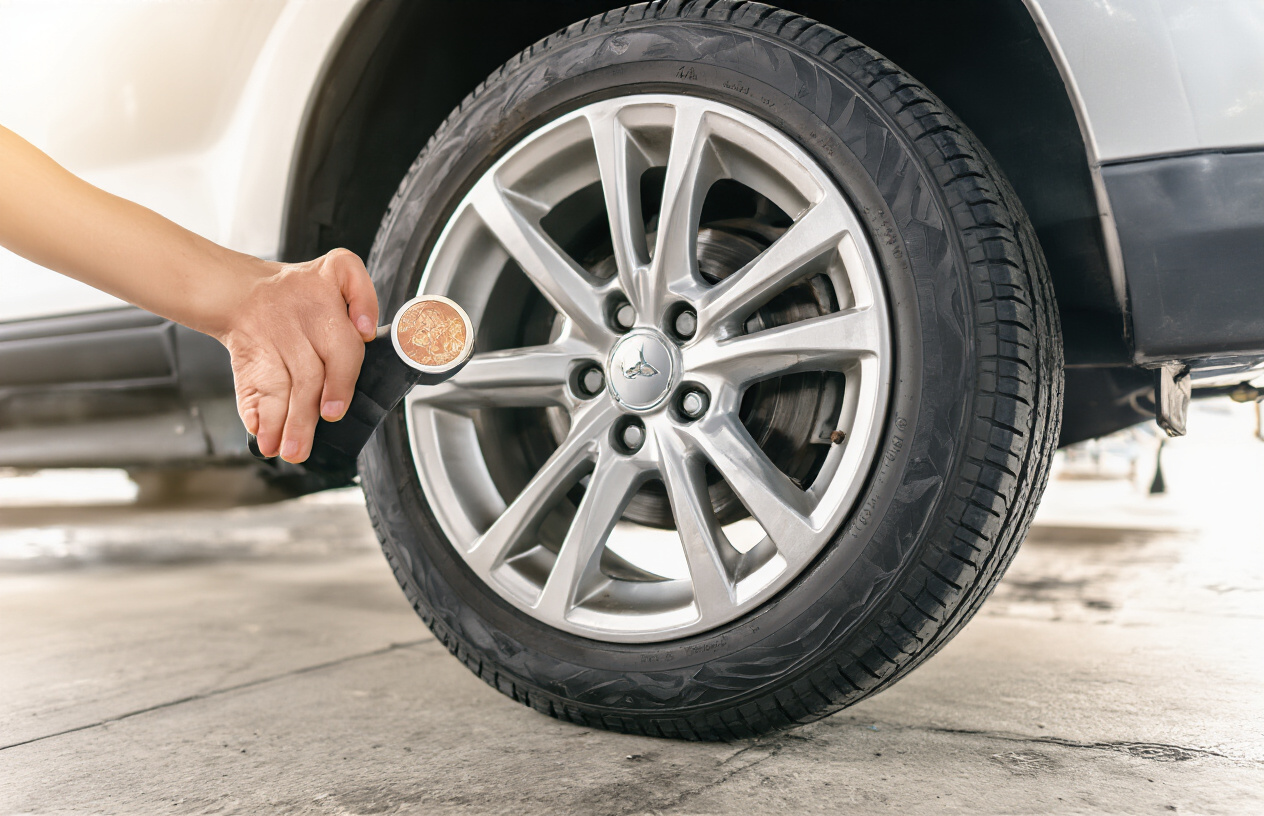
Tread depth directly impacts your car’s ability to grip the road, especially in wet conditions. New tires start with 10/32″ to 12/32″ of tread. Replace tires when they reach 2/32″, the legal minimum in most states.
The penny test works perfectly for quick checks. Insert Lincoln’s head upside down into the tread groove. If you see the top of his head, your tire has less than 2/32″ remaining and needs immediate replacement. For better wet weather performance, consider replacing tires at 4/32″.
Check tread depth across the entire tire width and circumference. Uneven wear patterns reveal alignment issues, suspension problems, or improper inflation. Cupping indicates worn shocks or struts, while edge wear suggests alignment problems that need professional attention.
Modern tires include wear bars – small raised sections that appear when tread reaches 2/32″. When these bars become flush with the tread surface, replacement time has arrived.
Keep Your Car Running Smoothly by Maintaining Battery & Electrical System
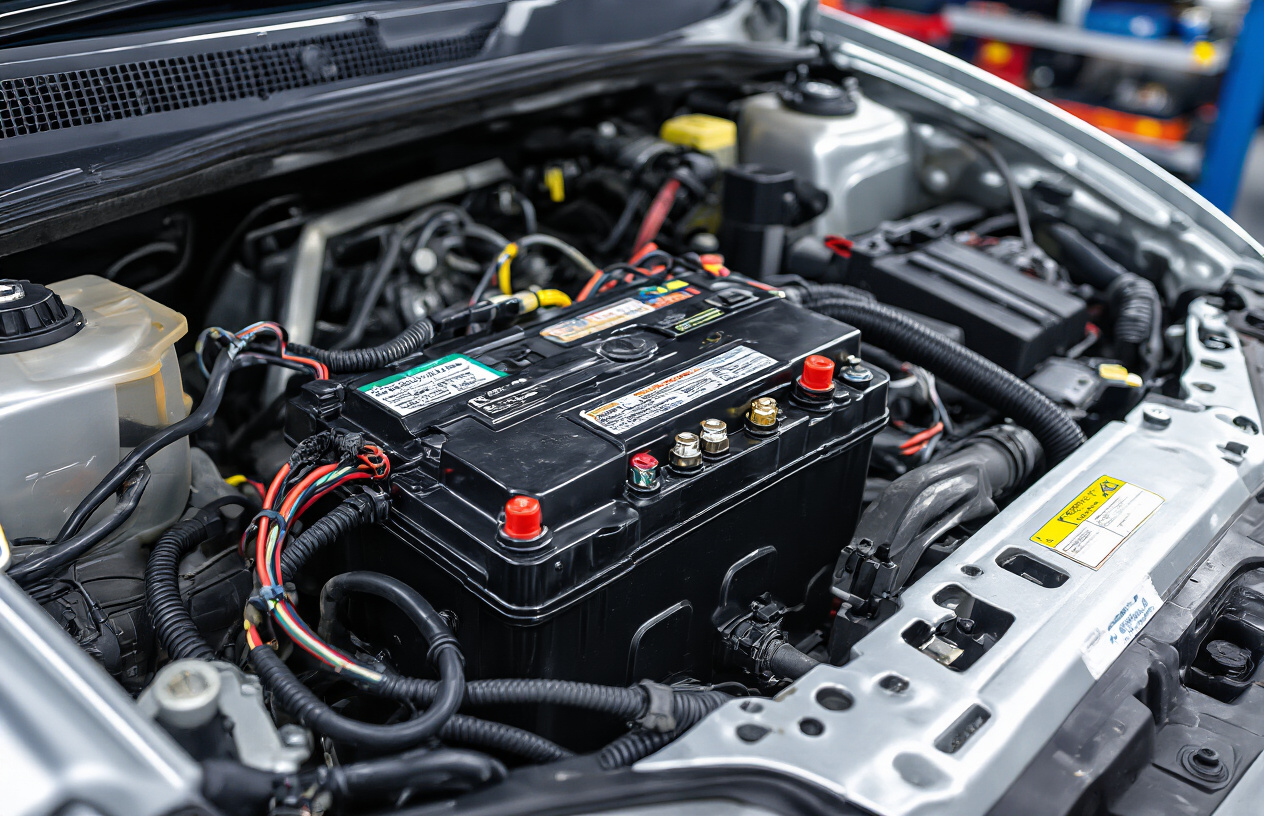
Clean Battery Terminals to Prevent Corrosion
Battery terminals collect white, chalky buildup over time, and this corrosion acts like a roadblock for electrical current. This crusty residue prevents your battery from delivering full power to your starter and other electrical components. You’ll want to disconnect the negative terminal first, then the positive. Mix baking soda with water to create a paste, then scrub the terminals with an old toothbrush. The fizzing action helps break down the corrosion. Rinse with clean water and dry completely before reconnecting the cables. Apply a thin layer of petroleum jelly or terminal protector spray to prevent future buildup.
Test Battery Voltage Regularly
A healthy 12-volt battery should read between 12.4 and 12.6 volts when the engine is off. With the engine running, you should see 13.5 to 14.5 volts, indicating your alternator is properly charging the battery. Use a digital multimeter for accurate readings. Test your battery monthly, especially during extreme weather. Cold temperatures reduce battery capacity by up to 50%, while excessive heat accelerates internal corrosion. Most auto parts stores offer free battery testing if you don’t own a multimeter. Replace batteries showing consistent readings below 12.4 volts or those over three years old in harsh climates.
Replace Worn Spark Plugs and Wires
Spark plugs fire thousands of times per minute, gradually wearing down their electrodes. Worn plugs cause misfires, rough idling, poor fuel economy, and difficulty starting. Check your owner’s manual for replacement intervals—typically every 30,000 to 100,000 miles depending on plug type. Standard copper plugs need replacement more frequently than platinum or iridium versions. Inspect spark plug wires for cracks, burns, or brittleness. Damaged wires allow electrical current to arc to the engine block instead of reaching the plug. Replace wires that show signs of deterioration or have exceeded 60,000 miles of service.
Check Alternator Performance
Your alternator recharges the battery while driving and powers electrical systems. A failing alternator shows warning signs like dimming headlights, dashboard warning lights, or electrical accessories working poorly. The belt driving your alternator should have proper tension—about half an inch of deflection when pressed. Listen for unusual noises like grinding or whining, which indicate worn bearings. Test alternator output with the engine running; it should maintain 13.5 to 14.5 volts across battery terminals. Professional testing can detect declining performance before complete failure leaves you stranded.
Inspect Fuses and Replace When Needed
Fuses protect electrical circuits from damage by breaking the connection when current exceeds safe levels. A blown fuse appears burned or has a broken filament visible through the transparent top. Keep spare fuses in your glove box matching the amperage ratings in your fuse box. Never replace a fuse with a higher amperage rating, as this defeats the protective purpose and risks electrical fires. If fuses blow repeatedly, the underlying electrical problem needs professional diagnosis. Clean corrosion from fuse box contacts and ensure fuses fit snugly in their slots for reliable connections.
Ensure Reliable Braking to Keep Your Car Running Smoothly
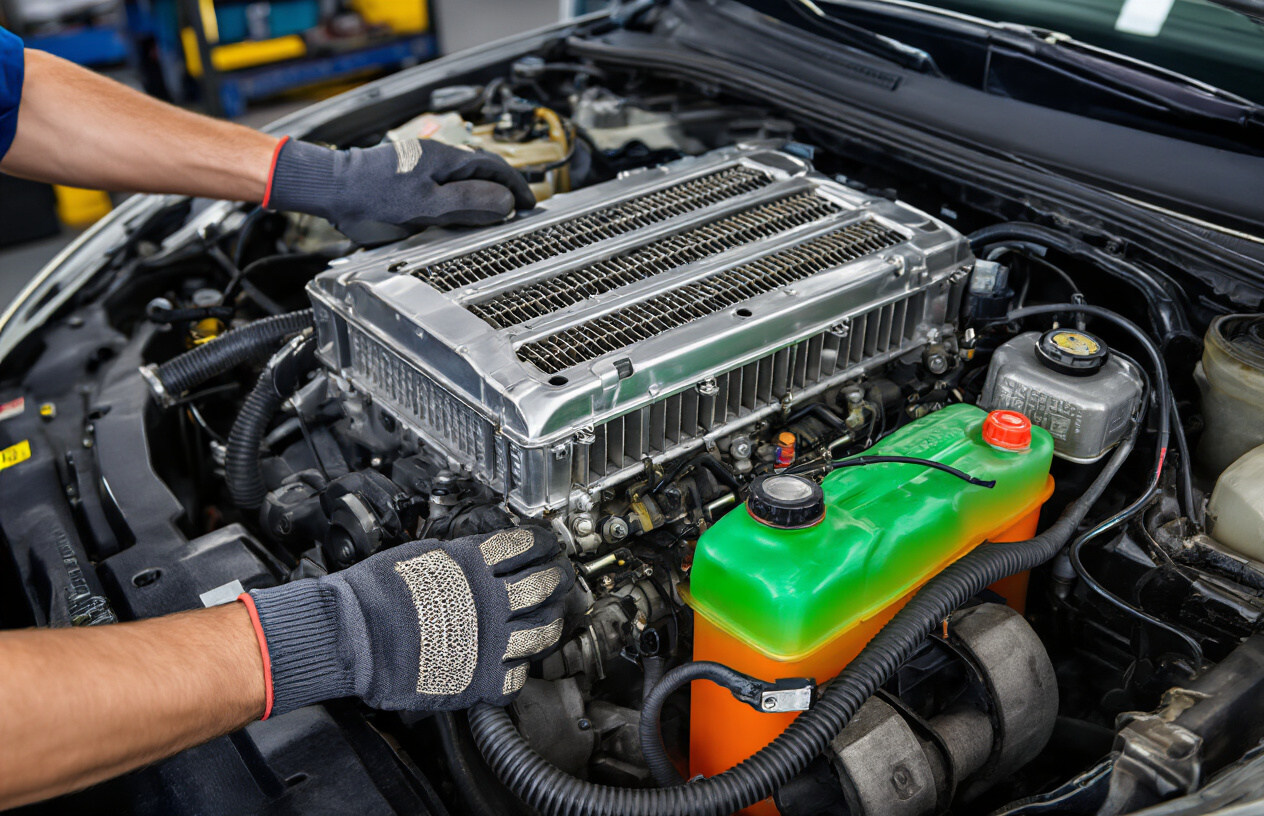
Flush Coolant According to Schedule
Your cooling system works tirelessly to prevent your engine from overheating, and fresh coolant is the lifeblood of this critical system. Most manufacturers recommend coolant flushes every 30,000 to 50,000 miles, but check your owner’s manual for specific intervals since different coolant types have varying lifespans.
Old coolant loses its ability to transfer heat effectively and becomes acidic over time, which can corrode metal components and damage seals. When you flush the system, you’re removing built-up debris, rust particles, and worn-out additives that could clog passages or cause hot spots in your engine.
The process involves draining the old coolant completely, flushing the system with clean water or a specialized cleaning solution, and refilling with the correct coolant mixture. Always use the coolant type specified by your manufacturer – mixing different formulations can create harmful chemical reactions that damage your system.
Inspect Radiator for Leaks and Blockages
Your radiator needs regular visual inspections to catch problems before they leave you stranded. Look for telltale signs of coolant leaks around the radiator, including white or green stains, crusty deposits, or puddles under your parked car. Small leaks often start at connection points, hose clamps, or along the radiator’s seams.
External blockages are equally problematic. Road debris, leaves, insects, and dirt can accumulate between the radiator fins, reducing airflow and causing overheating. Use compressed air or a soft brush to gently clean the radiator’s exterior, working from the engine side outward to avoid pushing debris deeper into the fins.
Check the radiator cap too – a faulty cap won’t maintain proper system pressure, leading to coolant loss and overheating. The cap should seal tightly and show no signs of corrosion or damaged rubber seals.
Test Thermostat Function
The thermostat acts as your cooling system’s gatekeeper, opening and closing to regulate coolant flow based on engine temperature. A stuck-open thermostat causes your engine to run too cool, reducing fuel efficiency and increasing emissions. A stuck-closed thermostat prevents coolant circulation, leading to dangerous overheating.
Watch your temperature gauge during normal driving – it should reach and maintain a consistent operating temperature. If the gauge reads unusually low or high, or fluctuates erratically, your thermostat might need replacement.
You can perform a simple test by feeling the upper radiator hose after starting a cold engine. It should remain cool initially, then become hot once the engine reaches operating temperature. If the hose heats up immediately or stays cold too long, the thermostat likely needs replacement.
Professional testing involves checking opening temperatures and flow rates, but these basic observations can help you identify problems early and avoid costly engine damage.
Ensure Reliable Braking Performance

Replace Brake Pads Before They Wear Completely
Your brake pads are the unsung heroes of safe driving, and waiting until they’re completely worn out is like playing Russian roulette with your safety. Most brake pads come with built-in wear indicators that create a high-pitched squealing sound when they need replacement. Don’t ignore this warning – it’s your car’s way of asking for help before things get dangerous.
Check your brake pads every 12,000 miles or during regular maintenance visits. Quality brake pads typically last 25,000 to 65,000 miles, but this varies dramatically based on your driving habits and conditions. City drivers who deal with stop-and-go traffic will need replacements more frequently than highway commuters.
When inspecting brake pads, look through the wheel spokes to see the pad material. If there’s less than ¼ inch of pad material remaining, schedule a replacement immediately. Completely worn pads can damage your rotors, turning a $150 brake pad replacement into a $400+ rotor replacement job.
Check Brake Fluid Levels and Quality
Brake fluid is the lifeline of your braking system, transferring the force from your brake pedal to the brake calipers. This hydraulic fluid should be checked monthly and replaced every two to three years, regardless of mileage.
Fresh brake fluid appears clear or slightly amber, while contaminated fluid turns dark brown or black. Moisture contamination is brake fluid’s biggest enemy – it lowers the boiling point and can cause brake failure during heavy braking situations.
Check the fluid level in the master cylinder reservoir under your hood. The fluid should sit between the minimum and maximum marks. If levels are consistently low, you likely have a leak that needs immediate attention. Never top off brake fluid with water or other substitutes – only use the DOT rating specified in your owner’s manual.
Inspect Brake Lines for Damage
Brake lines carry pressurized fluid throughout your braking system, making their integrity absolutely critical. These metal and rubber lines face constant exposure to road salt, debris, and temperature extremes that can cause corrosion, cracking, or bulging.
Visually inspect brake lines every few months, looking for rust, corrosion, or wet spots that indicate leaks. Pay special attention to connection points and areas where lines bend or flex. Rubber brake hoses should feel firm – any soft, spongy, or swollen areas require immediate replacement.
If you notice brake fluid puddles under your parked car, trace the source immediately. Brake line failures can happen suddenly, leaving you with no stopping power. Professional inspection is recommended if you’re unsure about line condition, as brake system failures can be catastrophic.
Test Brake Performance Regularly
Regular brake performance testing helps you catch problems before they become dangerous. Start with simple observations during normal driving – your brake pedal should feel firm and consistent, not spongy or sinking to the floor.
Pay attention to how your car stops. Pulling to one side during braking often indicates uneven pad wear, warped rotors, or brake line issues. Vibration through the brake pedal or steering wheel typically means warped rotors that need resurfacing or replacement.
Test your brakes in a safe, empty parking lot occasionally. At low speeds, apply steady pressure and note how the car responds. The vehicle should stop smoothly and straight without any grinding, squealing, or unusual noises. Any strange behavior warrants professional inspection before your next drive.
Taking care of your car doesn’t have to be overwhelming when you break it down into manageable pieces. Regular oil changes, tire rotations, battery checks, coolant flushes, and brake inspections form the backbone of vehicle maintenance. These simple tasks can save you thousands of dollars in major repairs and keep you safely on the road for years to come.
Start with one area at a time and build these habits into your routine. Check your owner’s manual for specific intervals, but don’t wait for problems to show up before taking action. A well-maintained car not only runs better but also holds its value longer and gives you peace of mind every time you turn the key. Your future self will thank you for the small effort you put in today.
FAQ’S
1. How often should I really service my car to avoid major breakdowns?
Most experts recommend a full maintenance check every 5,000–7,500 miles, but routine DIY checks like tire pressure, fluid levels, and battery health should be done monthly. Regular small inspections prevent large, expensive repairs.
2. What happens if I delay engine oil changes beyond the recommended mileage?
Delaying oil changes causes sludge buildup inside the engine, leading to overheating, loss of lubrication, poor fuel economy, and in severe cases, complete engine failure — one of the most expensive repairs a car can need.
3. How can I tell if my tires need replacement besides the penny test?
Other signs include vibration while driving, bald spots, uneven tread wear, cracking on sidewalls, or your car drifting to one side. If your tires are over 5–6 years old, age alone can justify replacement for safety.
4. Why does my car battery die even though I don’t leave lights on?
Batteries naturally weaken from temperature changes, internal corrosion, or a failing alternator. Short trips that don’t allow the alternator to fully recharge the battery also shorten its life.
5. Are squeaking brakes always a sign of danger?
Not always — light squeaking in cold or damp conditions can be normal. However, continuous high-pitch squealing is a built-in wear indicator telling you the brake pads must be replaced before they damage the rotors.






Recent Comments